From Charles Potts:
Teri Zipf of Walla Walla will be joined by Greg Bem of Issaquah, Washington, in a pubic reading of their poems, both from new books published in Walla Walla by Hand to Mouth Press.
From Charles Potts:
Teri Zipf of Walla Walla will be joined by Greg Bem of Issaquah, Washington, in a pubic reading of their poems, both from new books published in Walla Walla by Hand to Mouth Press.

I don’t normally review books of prose, but when I do I go all out.
I am excited to announce I have a new review of Nicole Sarrocco’s Casino Lounge Gospel in Chris Dusterhoff’s SPREAD, a free poetry pamphlet found throughout Seattle.
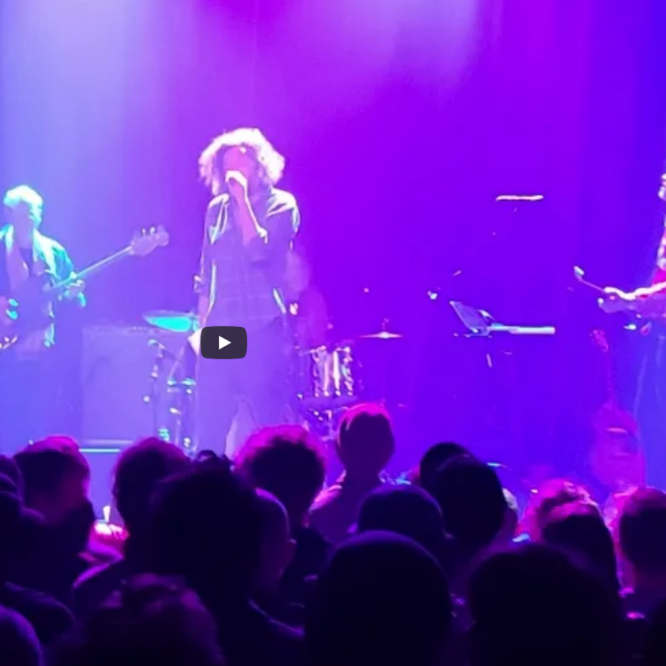
A rather terrible recording from April 23, 22.
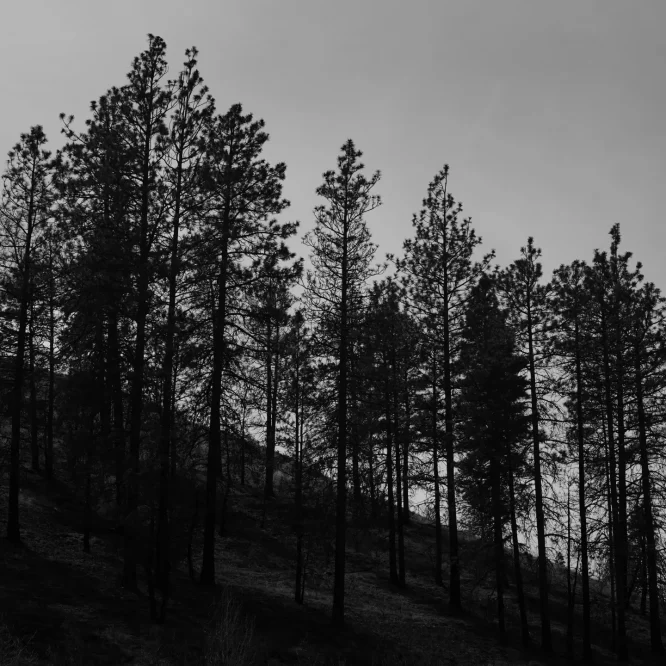
From the Ellensburg area.
I decided to submit five videos I worked on at the pandemic to the Healing Arts Expo, a showcase of employee art at LWTech. The work is on view in the library, my very niche of employment, and since there are no restrictions on sharing the videos elsewhere, here is the playlist you would find were you to stumble into that library.
Since last August, I have had the pleasure of writing alongside (and publishing alongside) the re drum group Alex Bleecker, Jeremy Springsteed, and Willie James, as well as good friend Justine Chan. Our efforts on exploring the cadralore form have yielded some output, now available to view in Another New Calligraphy.
Recorded on Friday, April 22, 2022 at Kezira Cafe in Seattle, alongside the Jim O’Halloran Trio (Jim O’Halloran (Flute), Dean Schmidt (Bass), and Ehssan Karimi (Drums)).
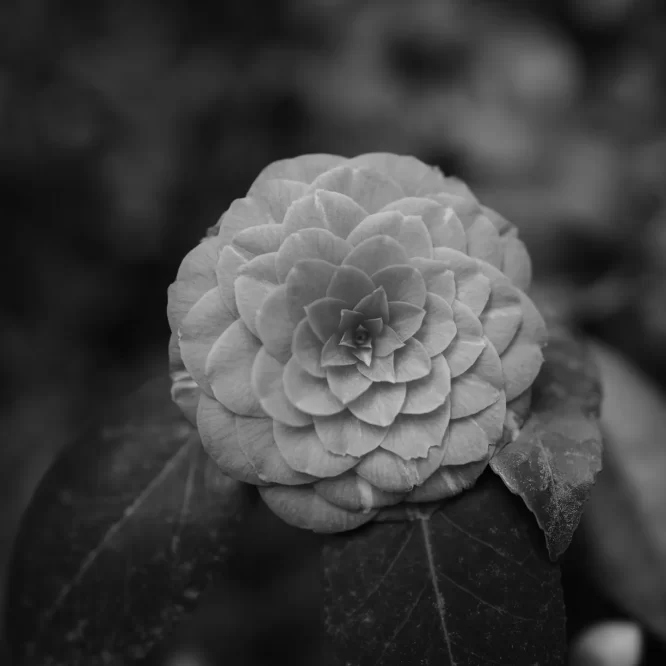
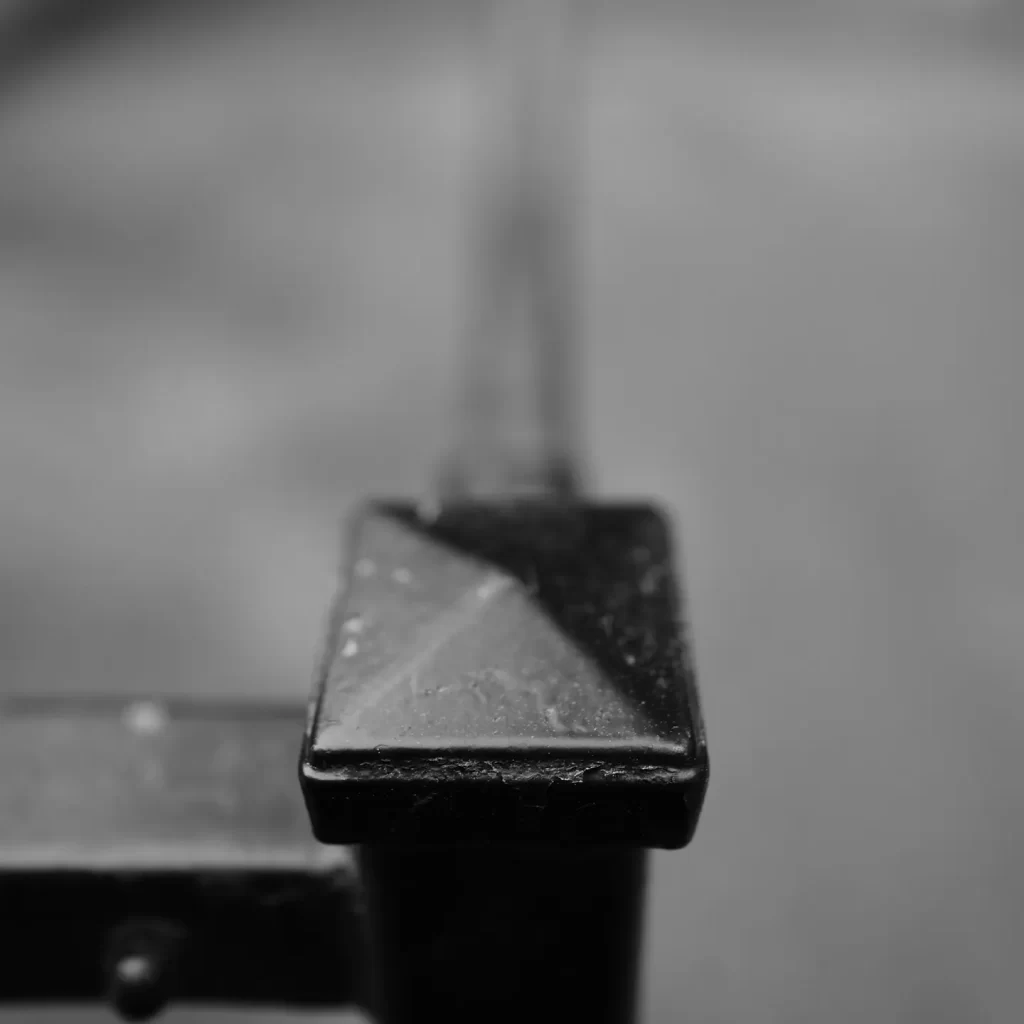
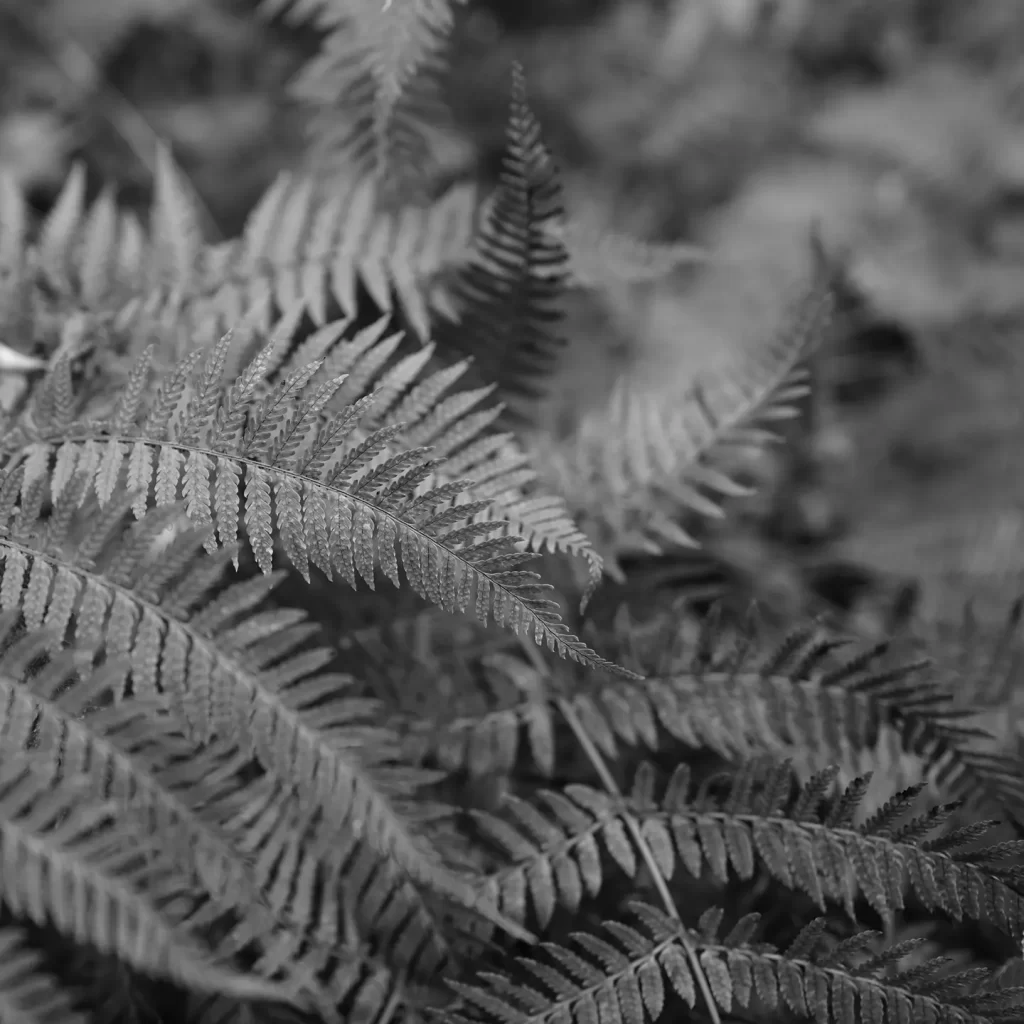
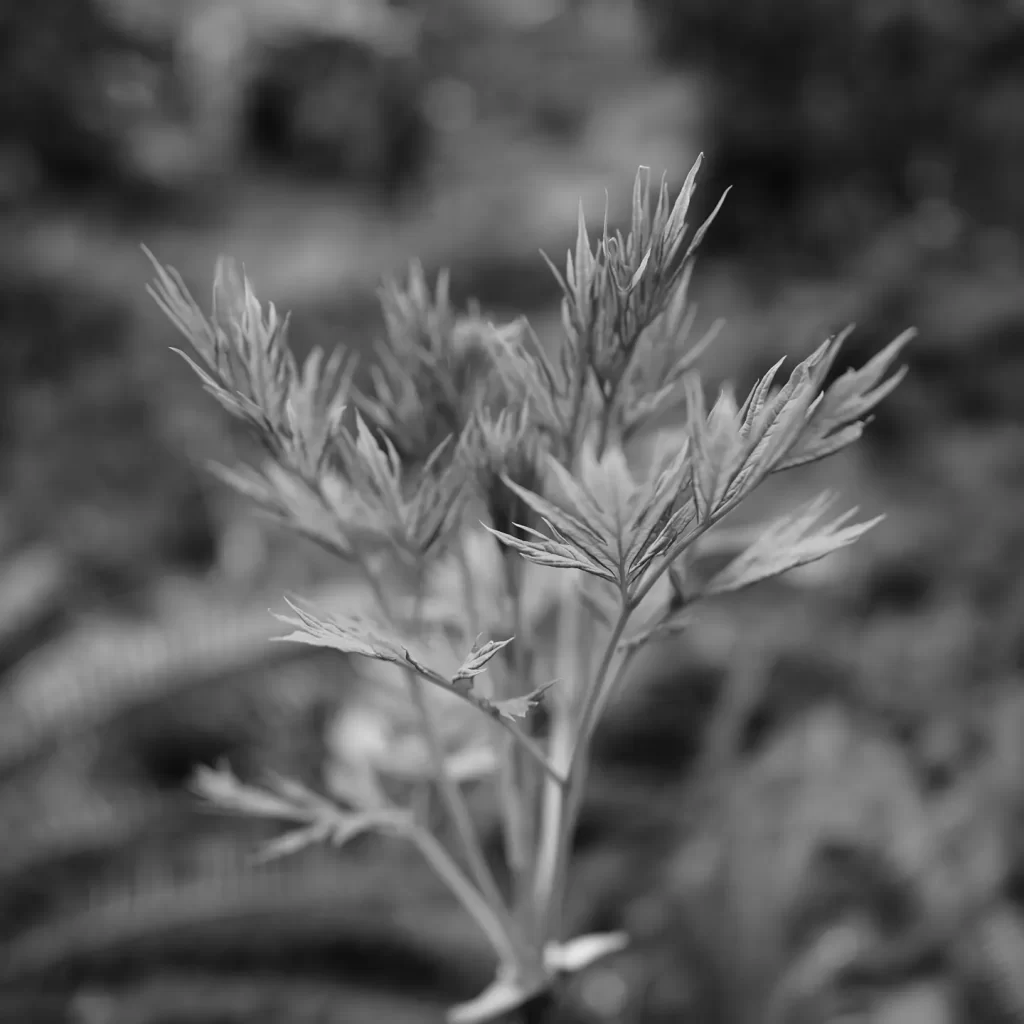
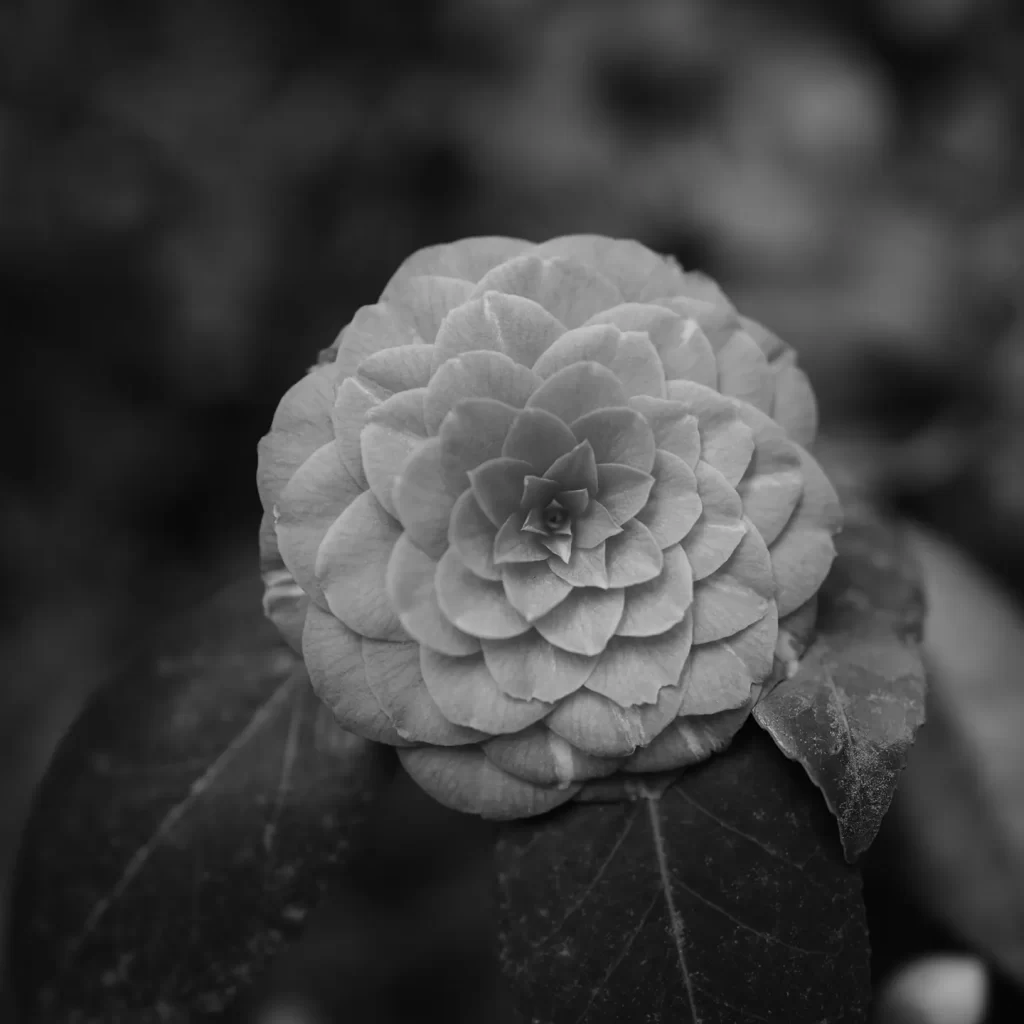
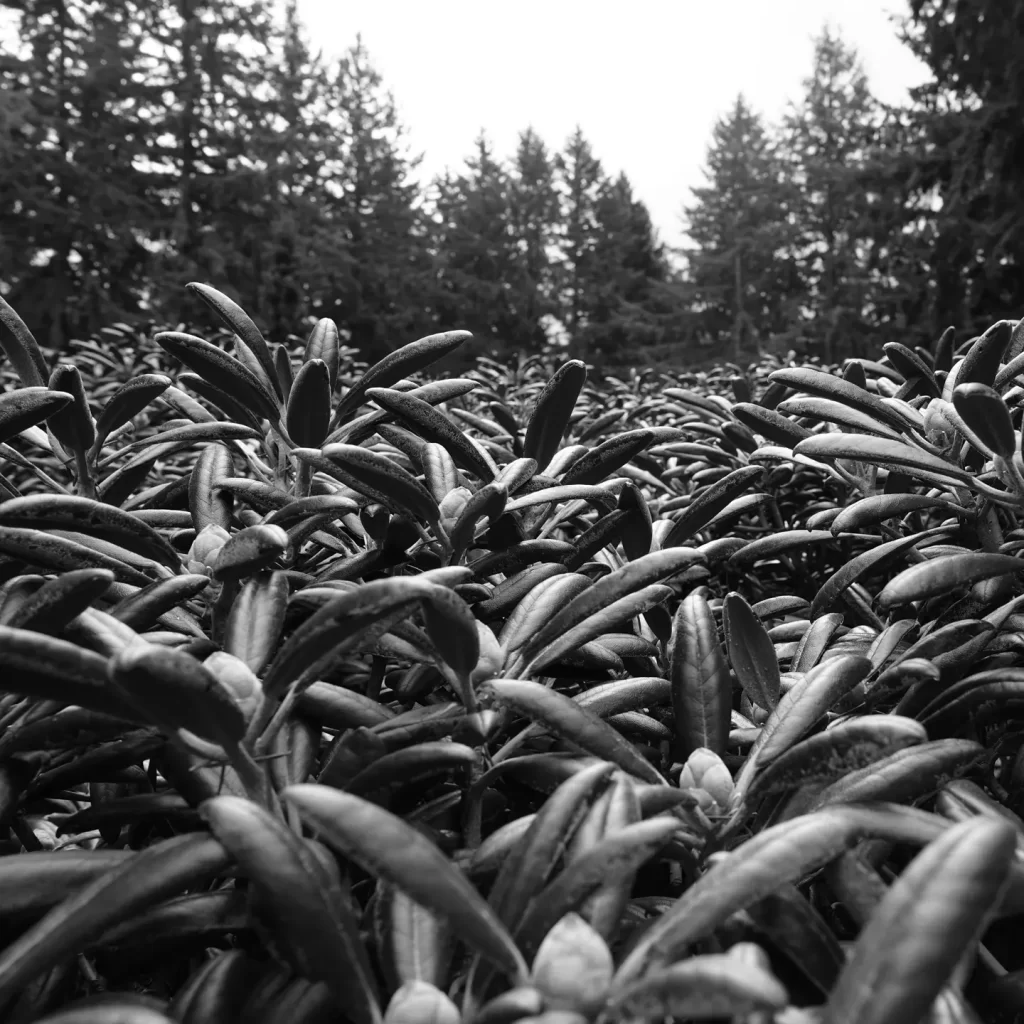
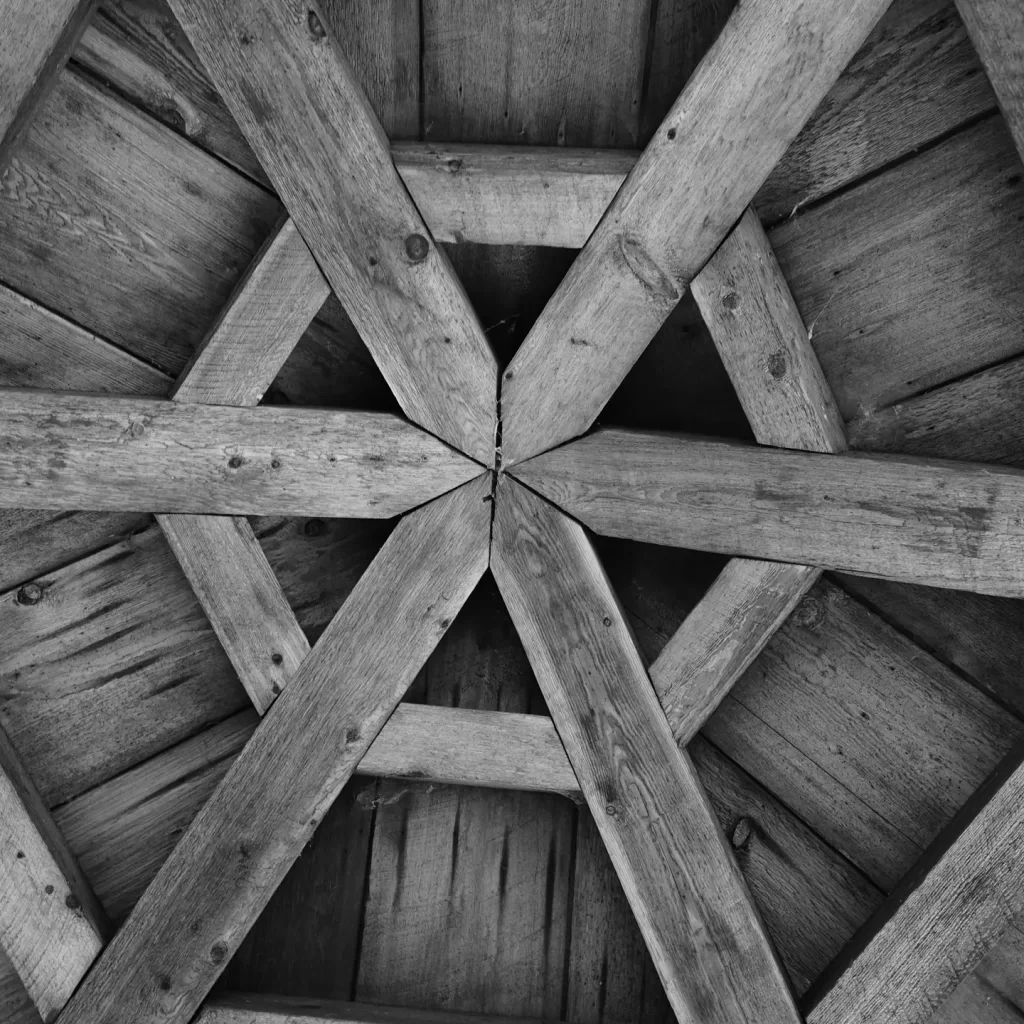

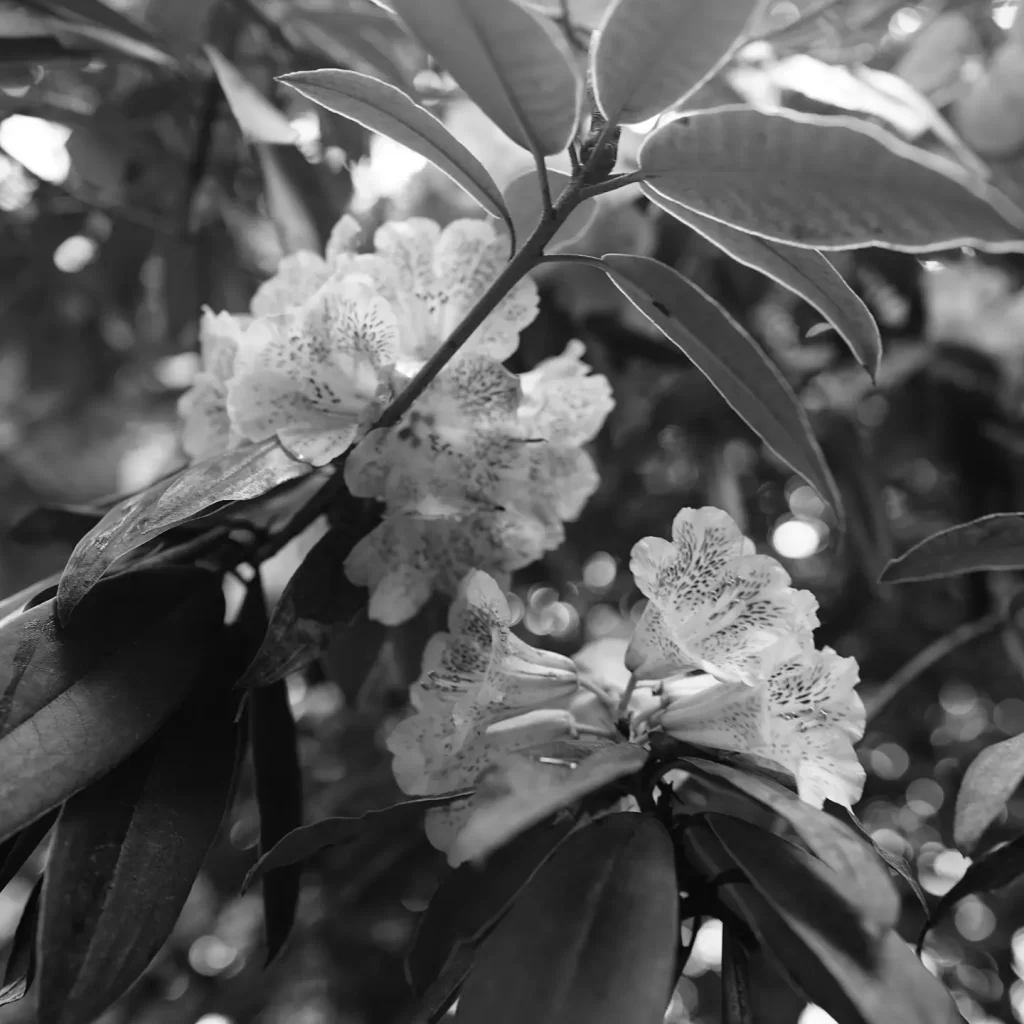
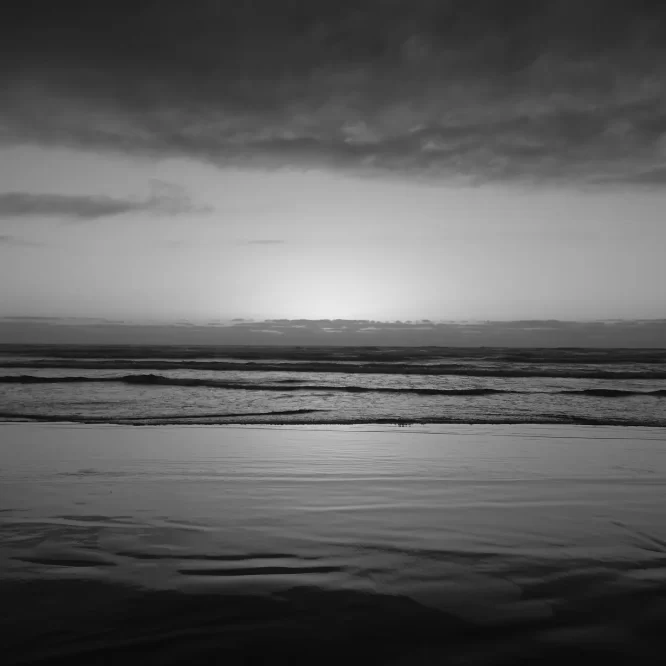
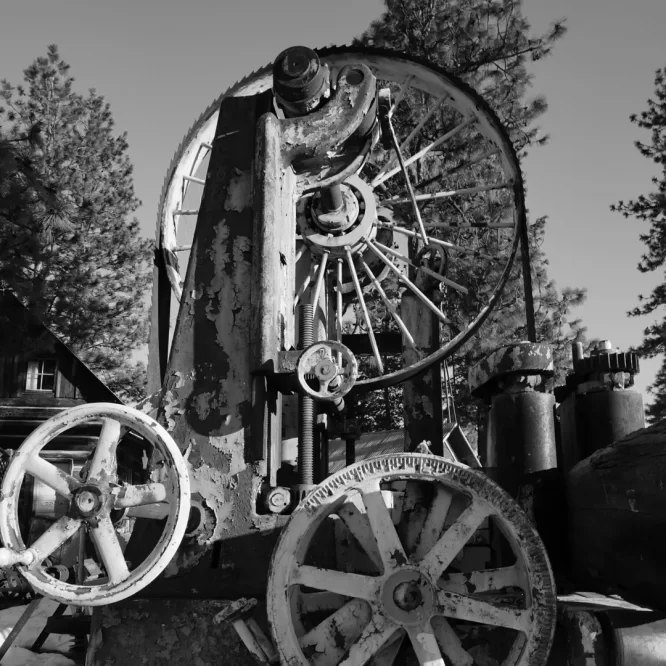
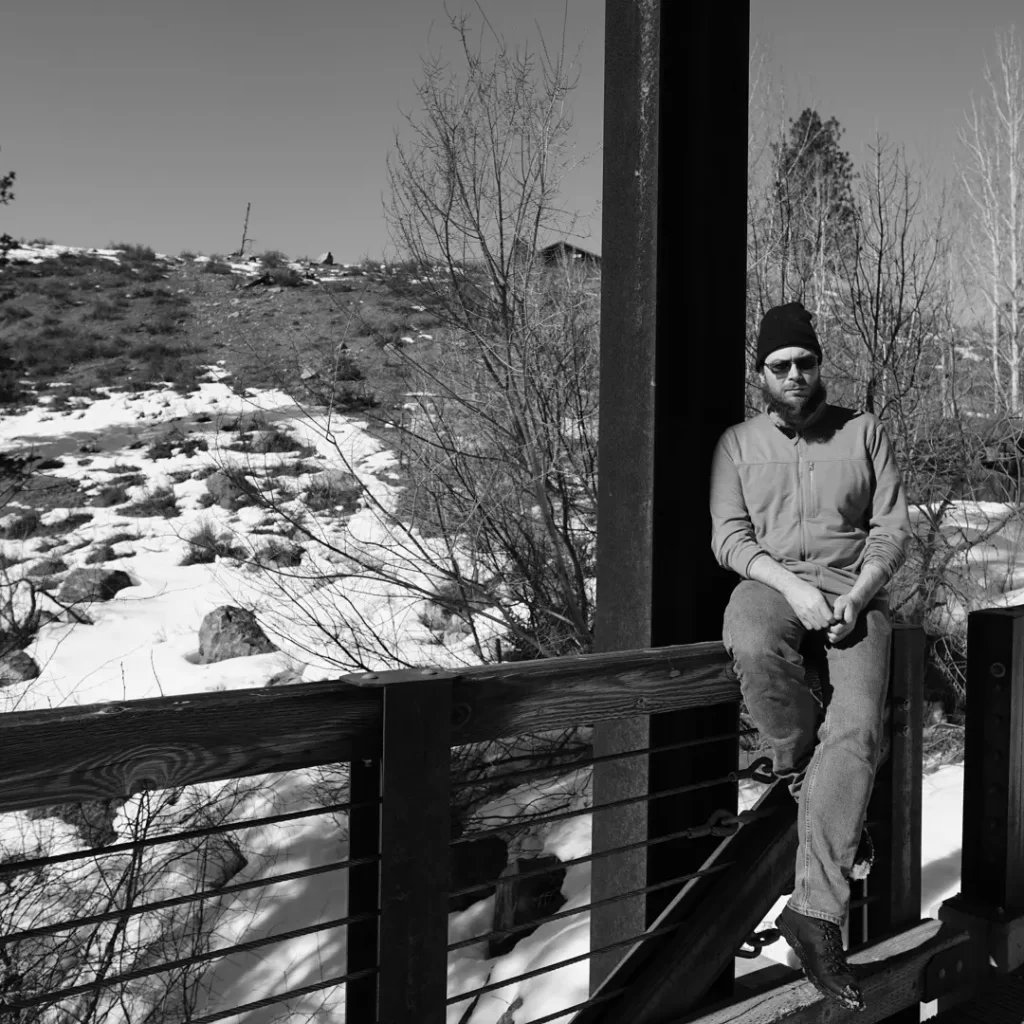
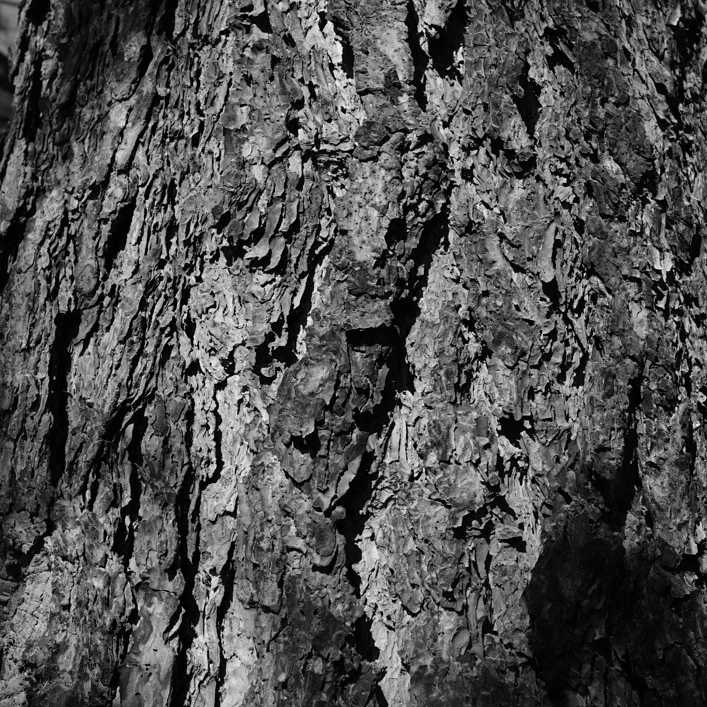
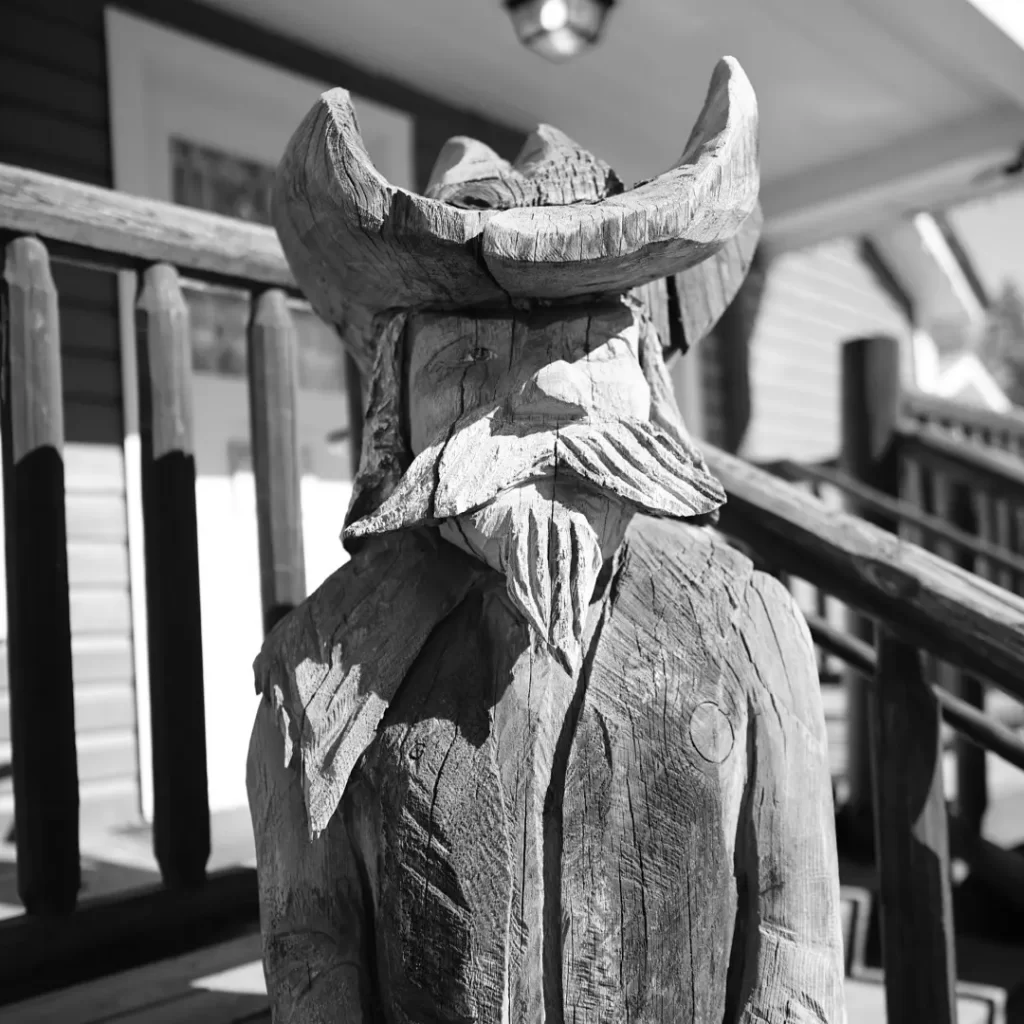
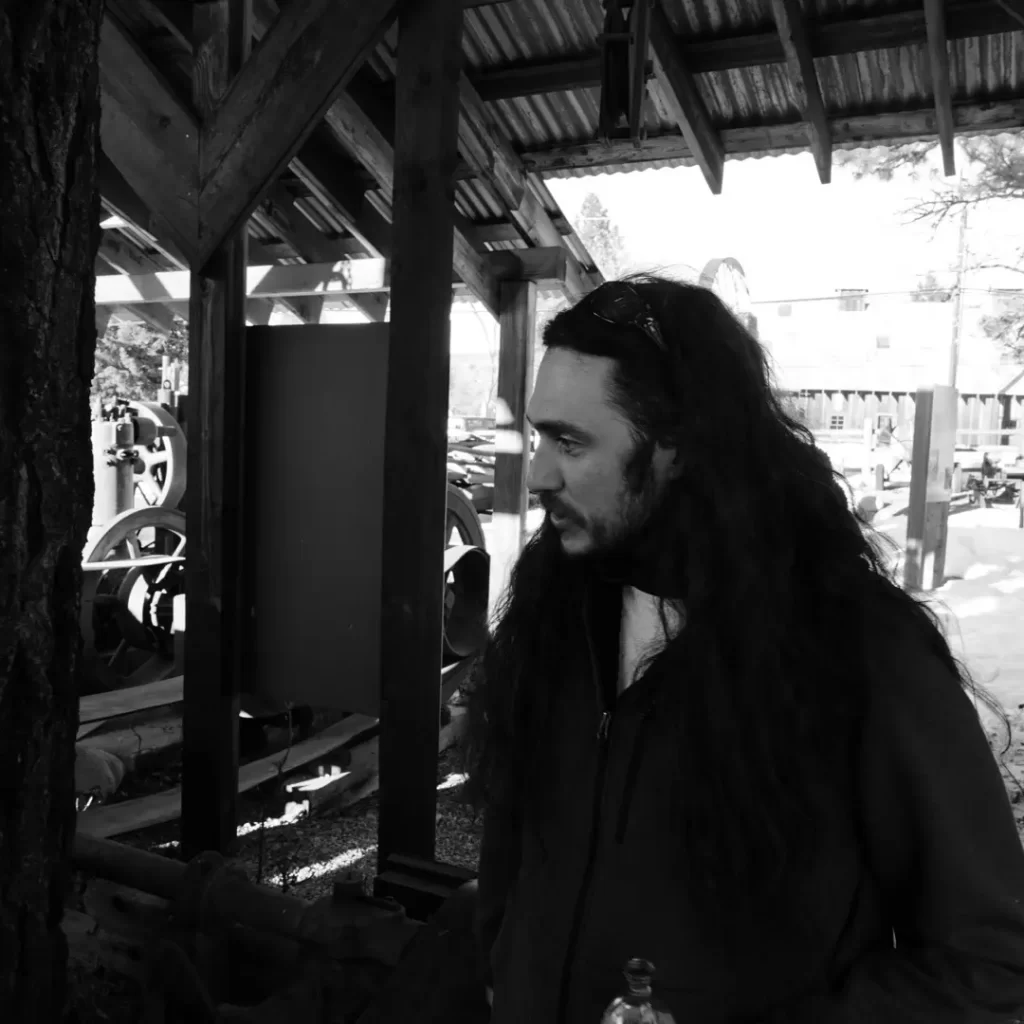
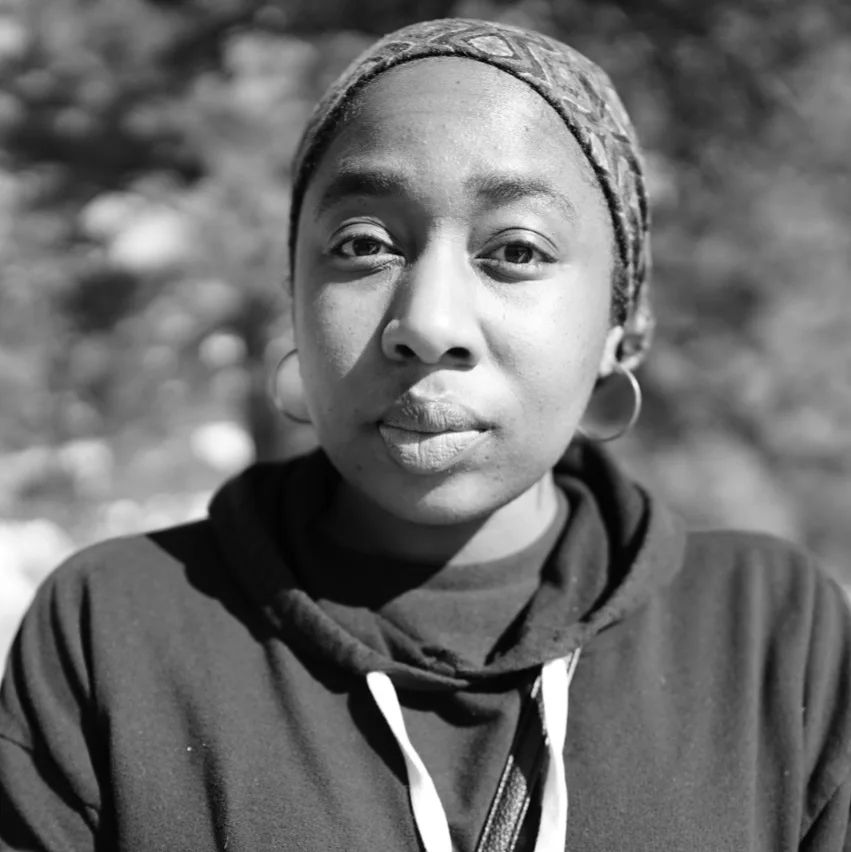
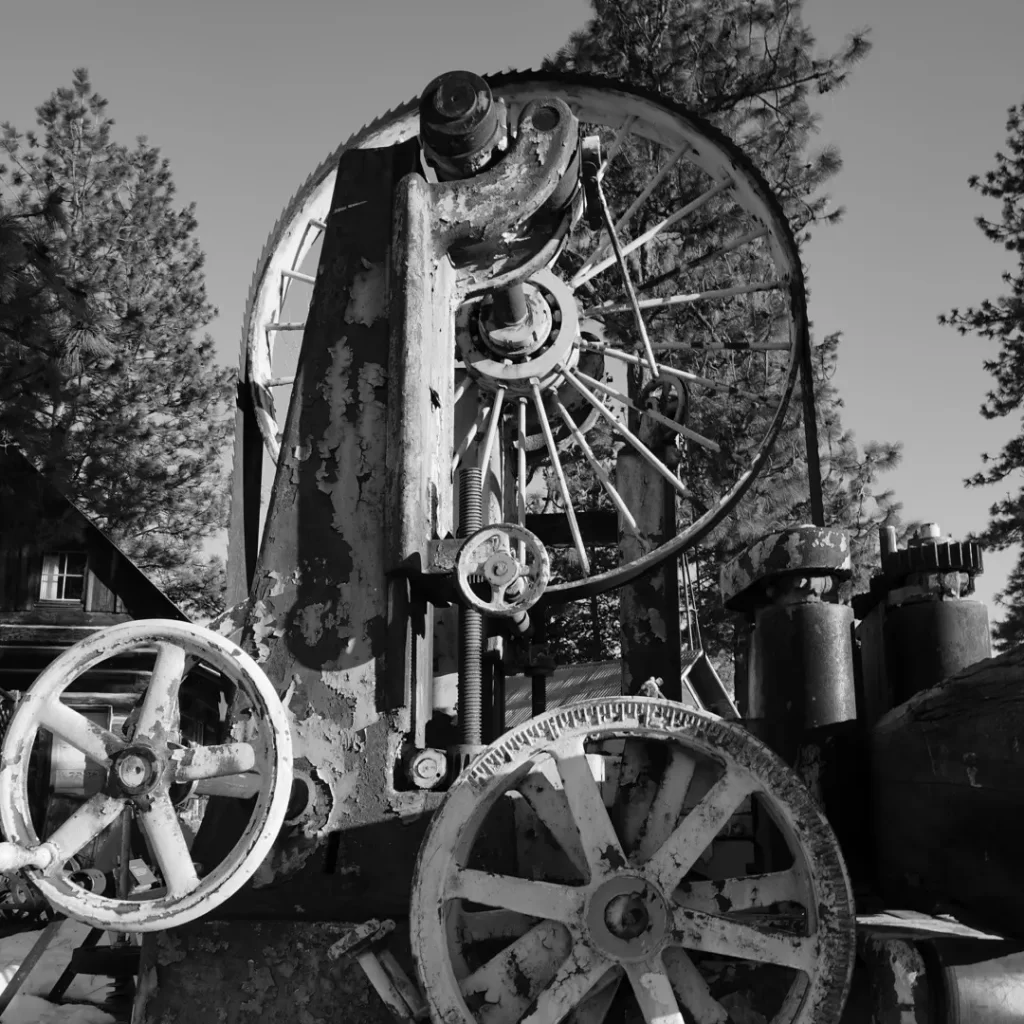
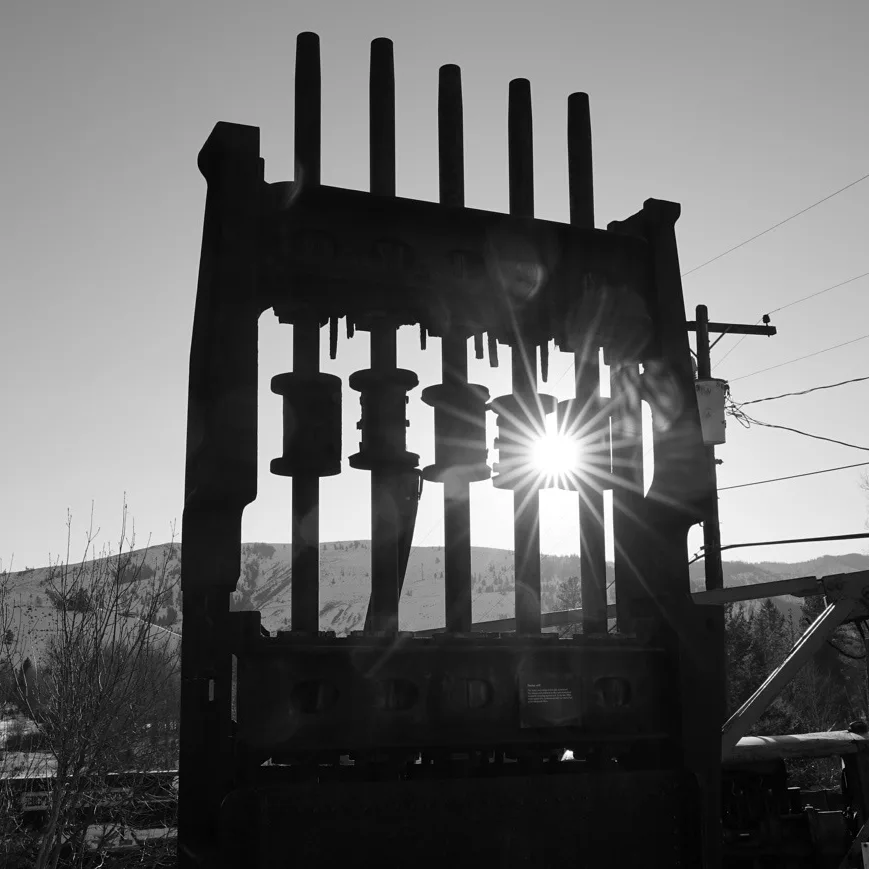
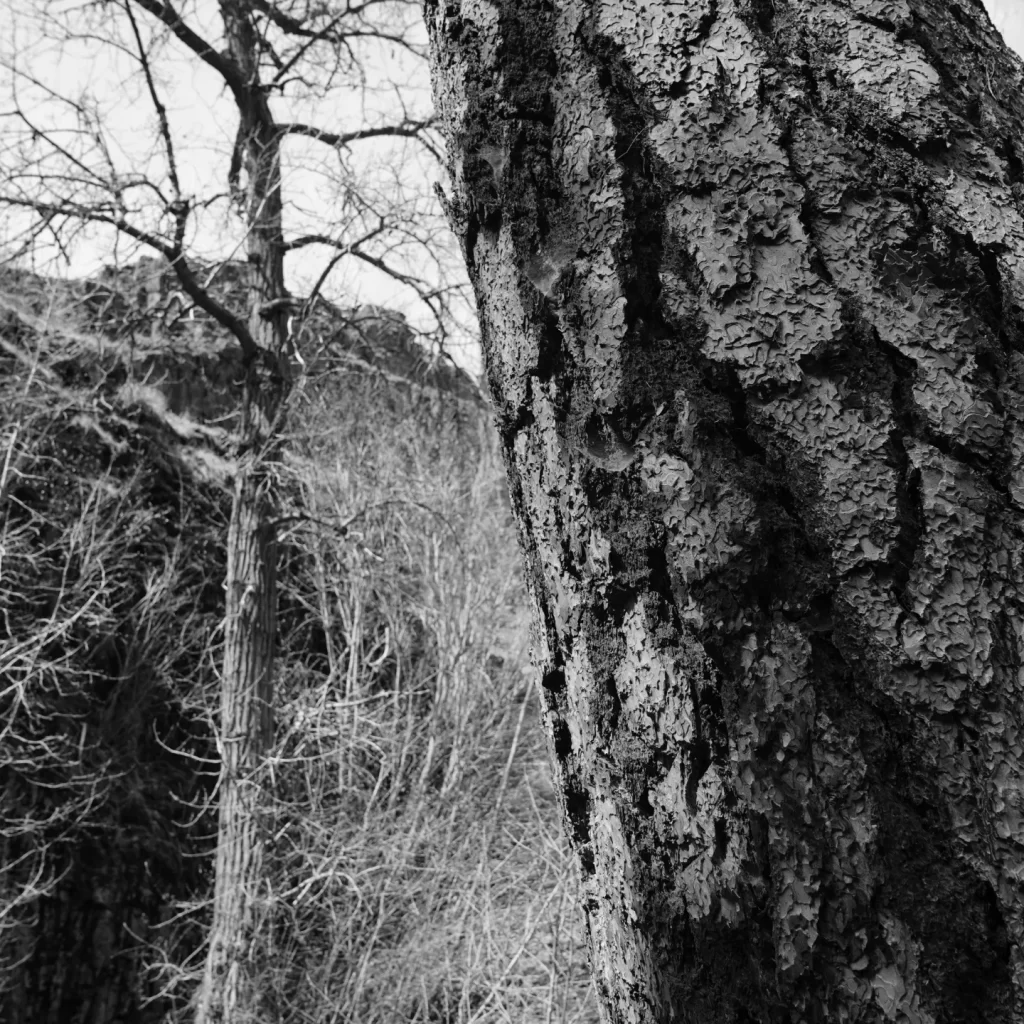
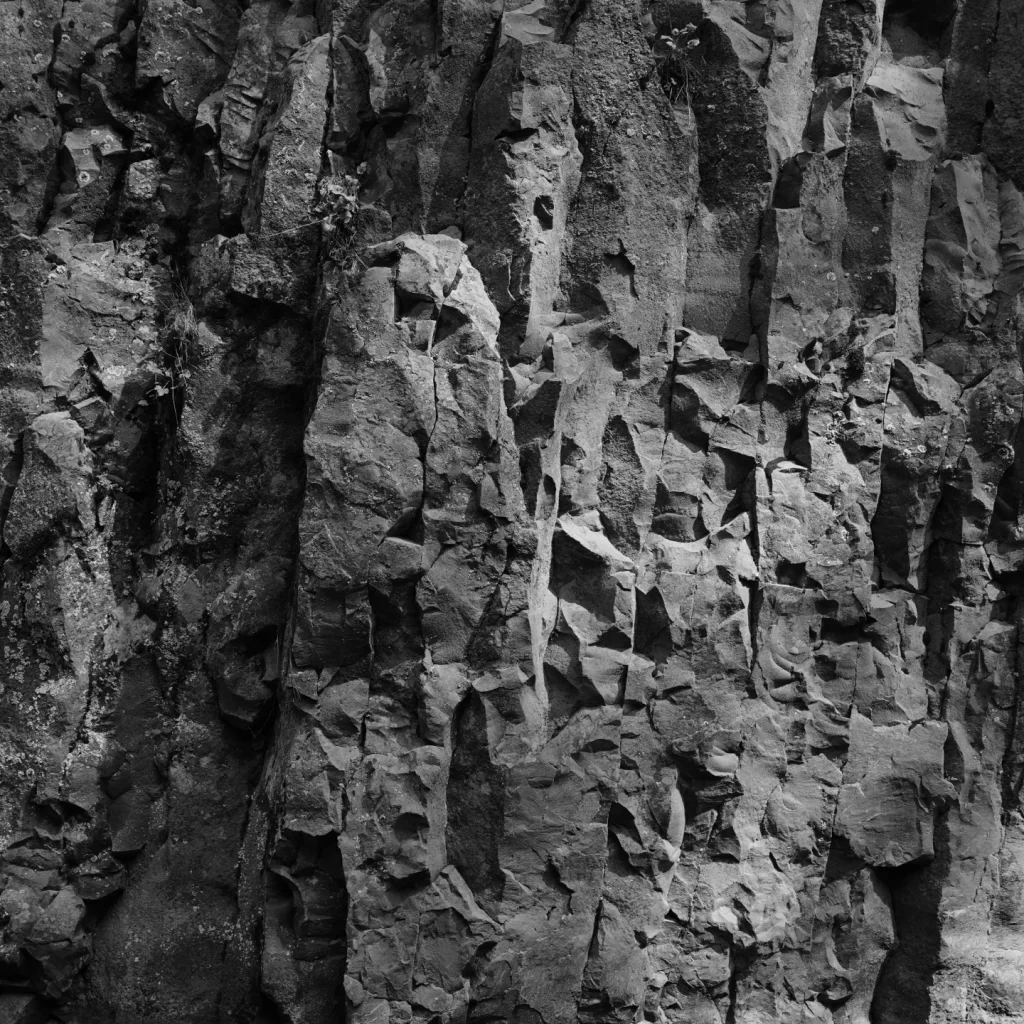
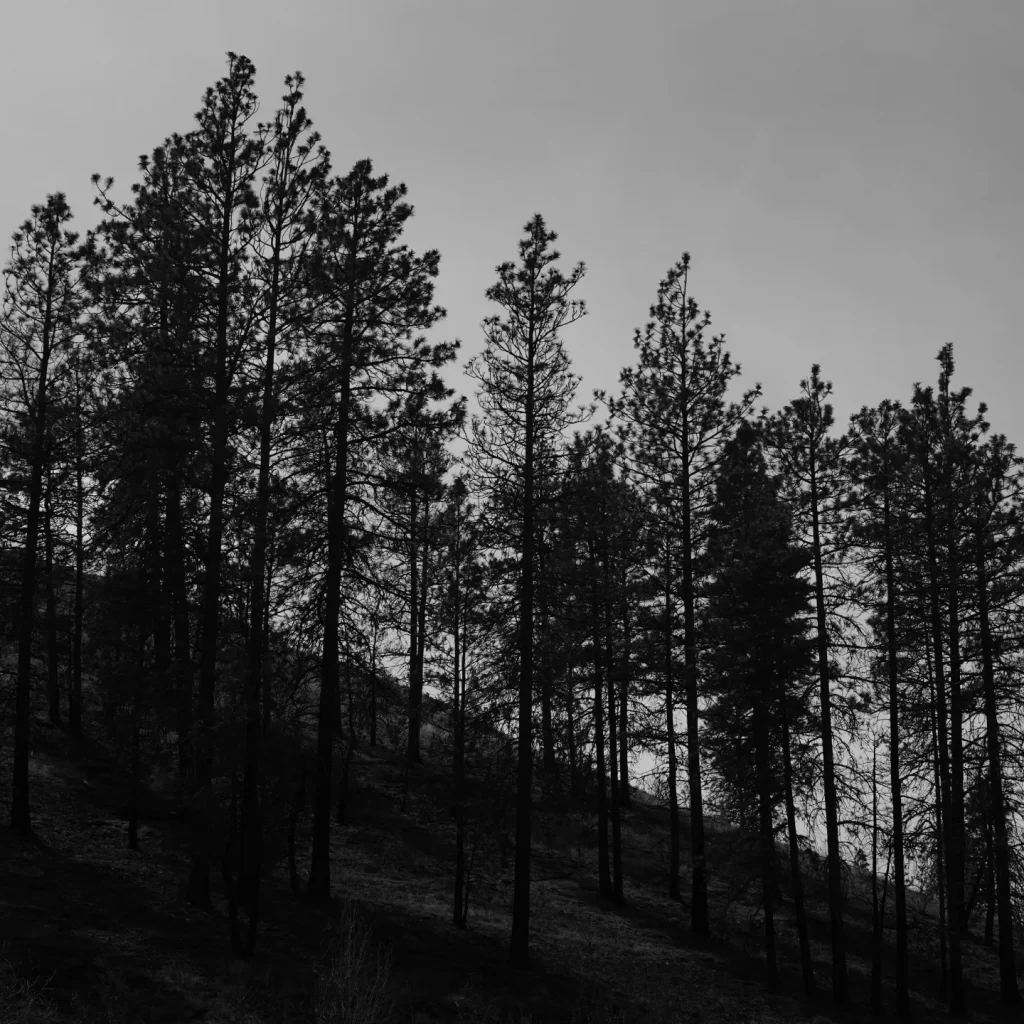
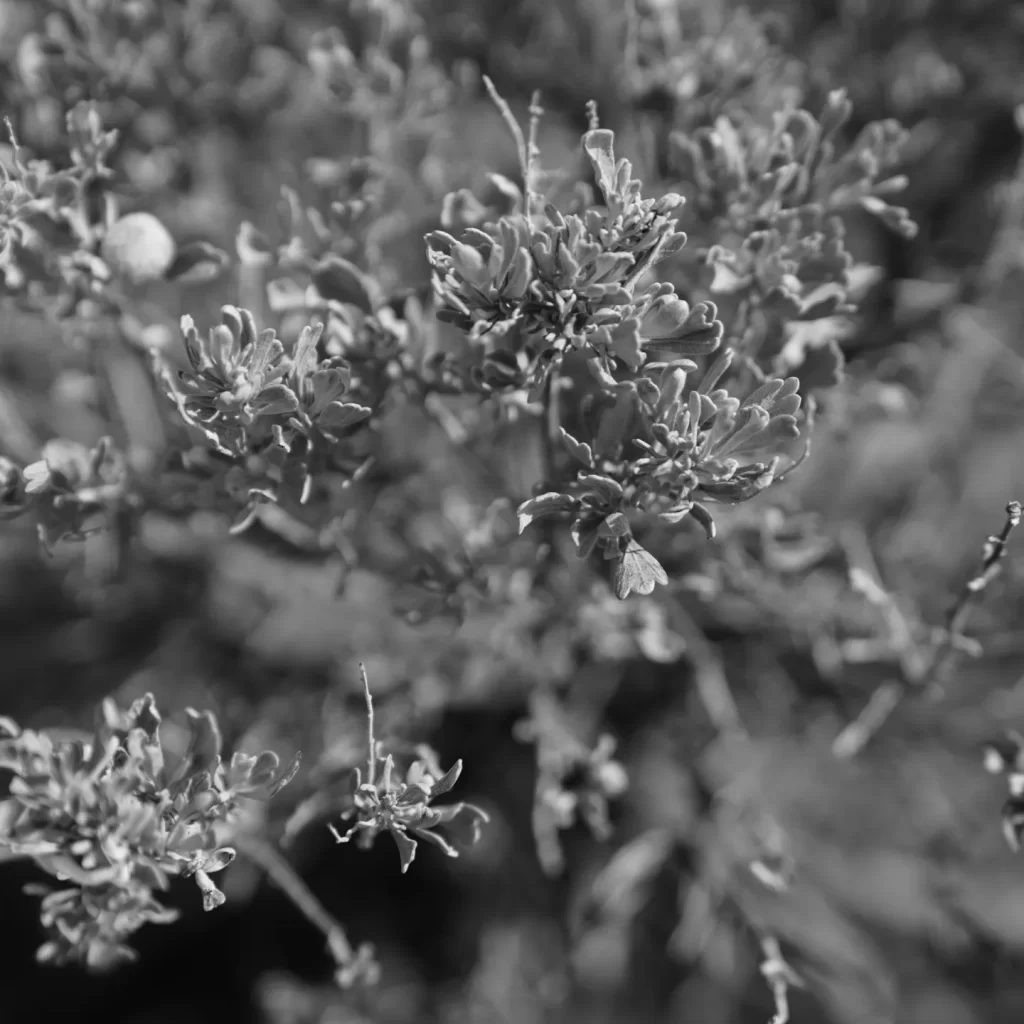
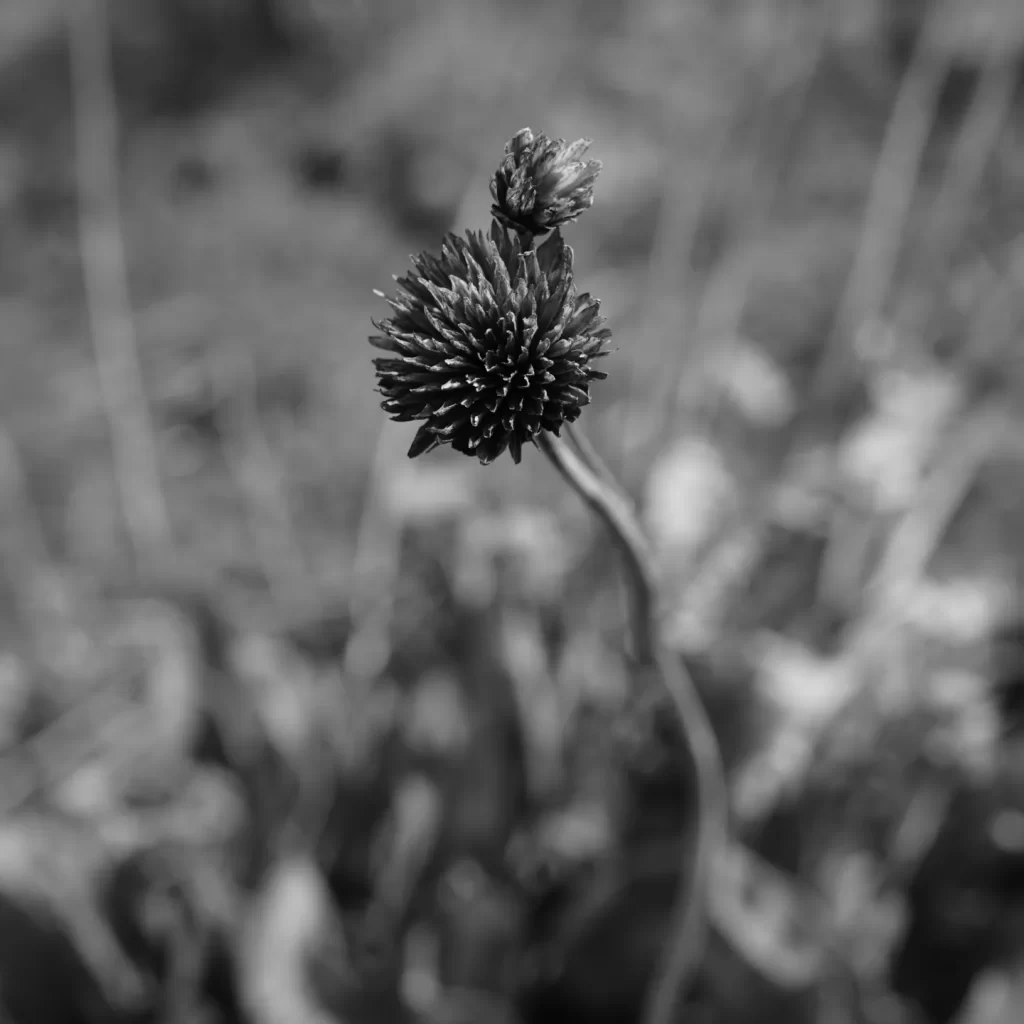
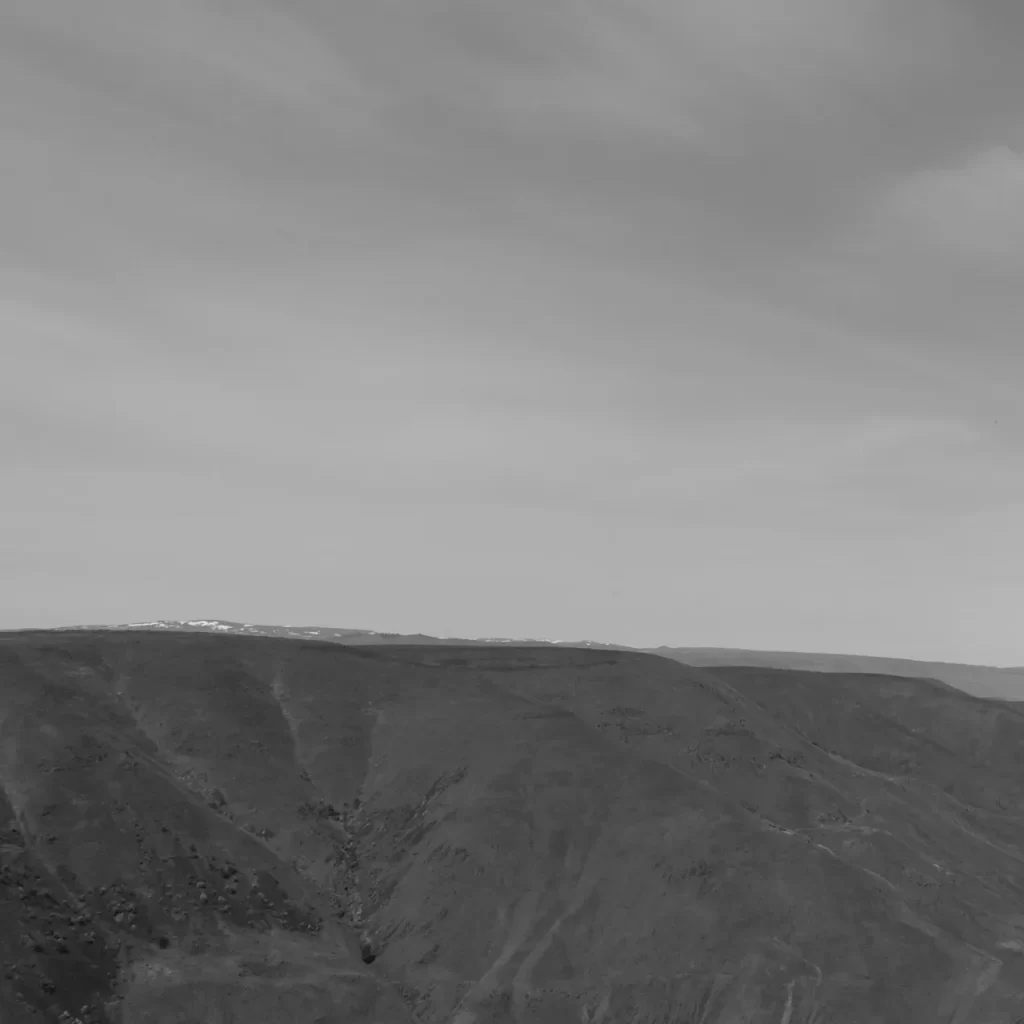
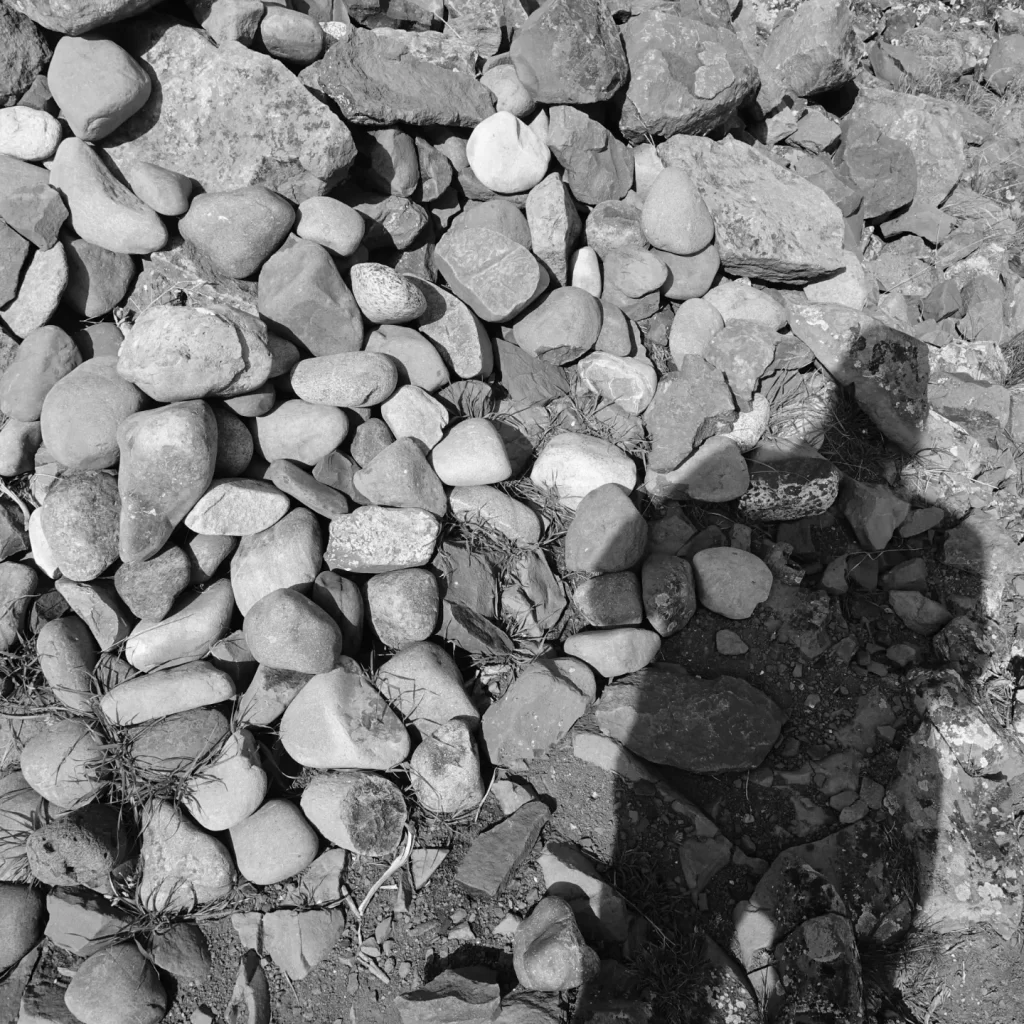
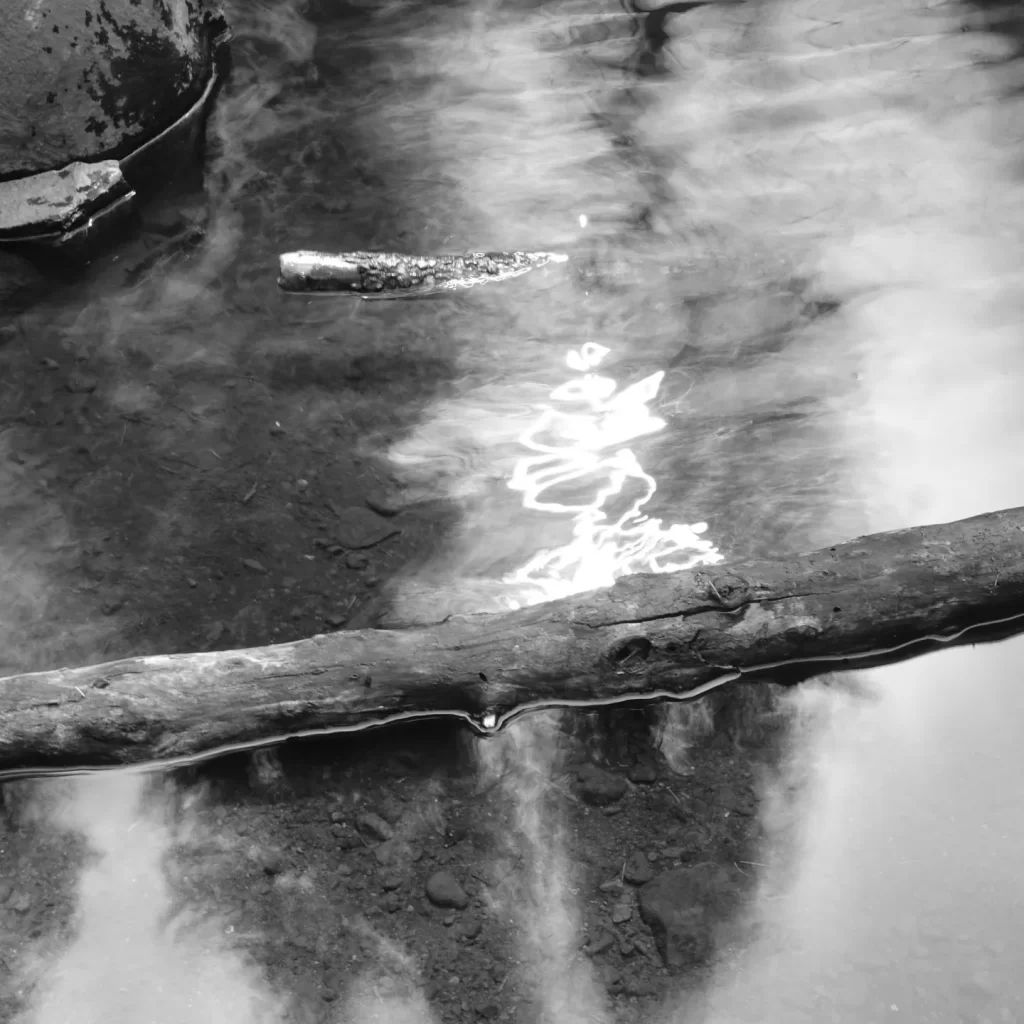
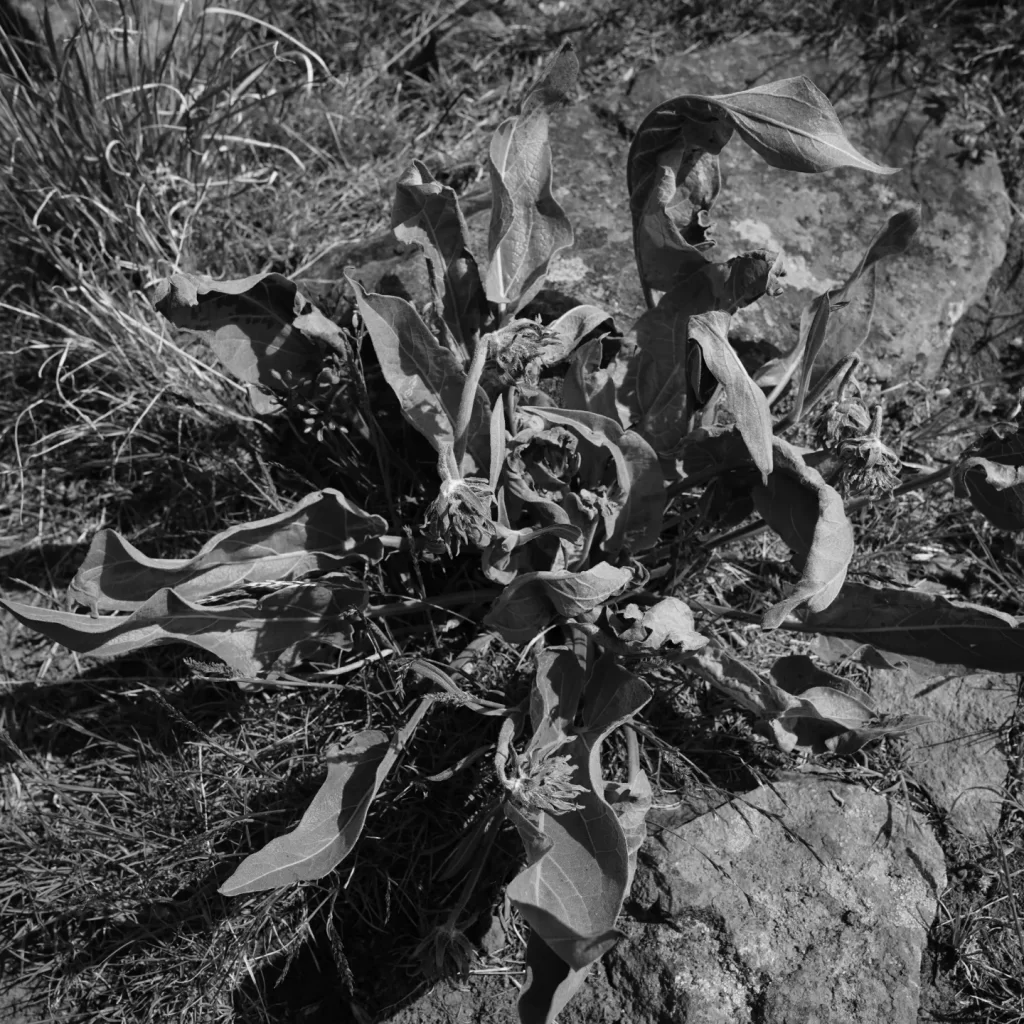
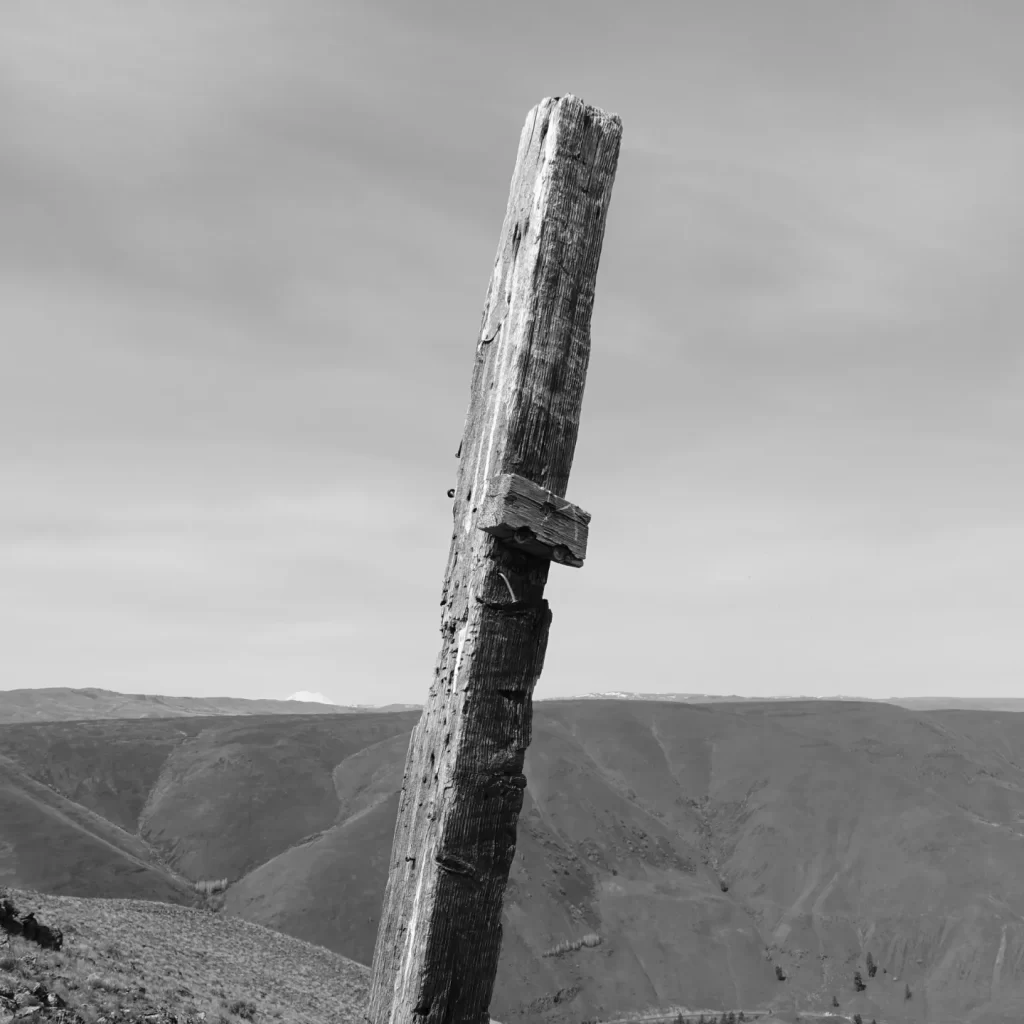
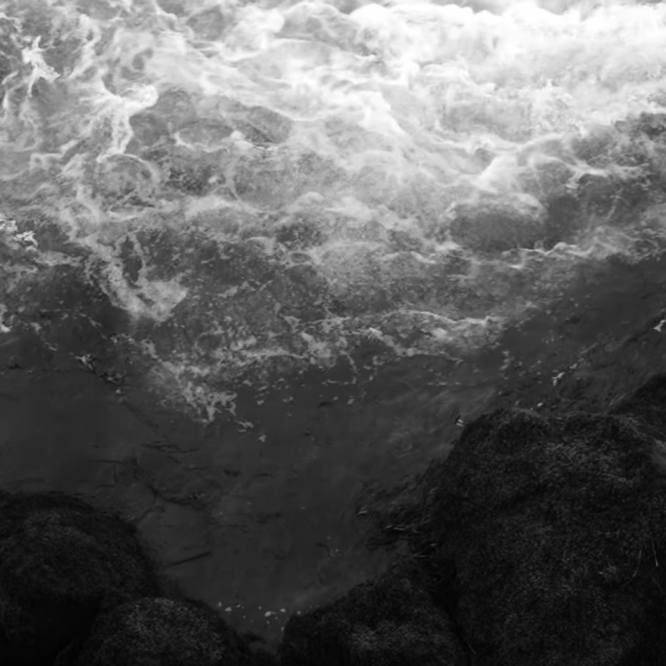
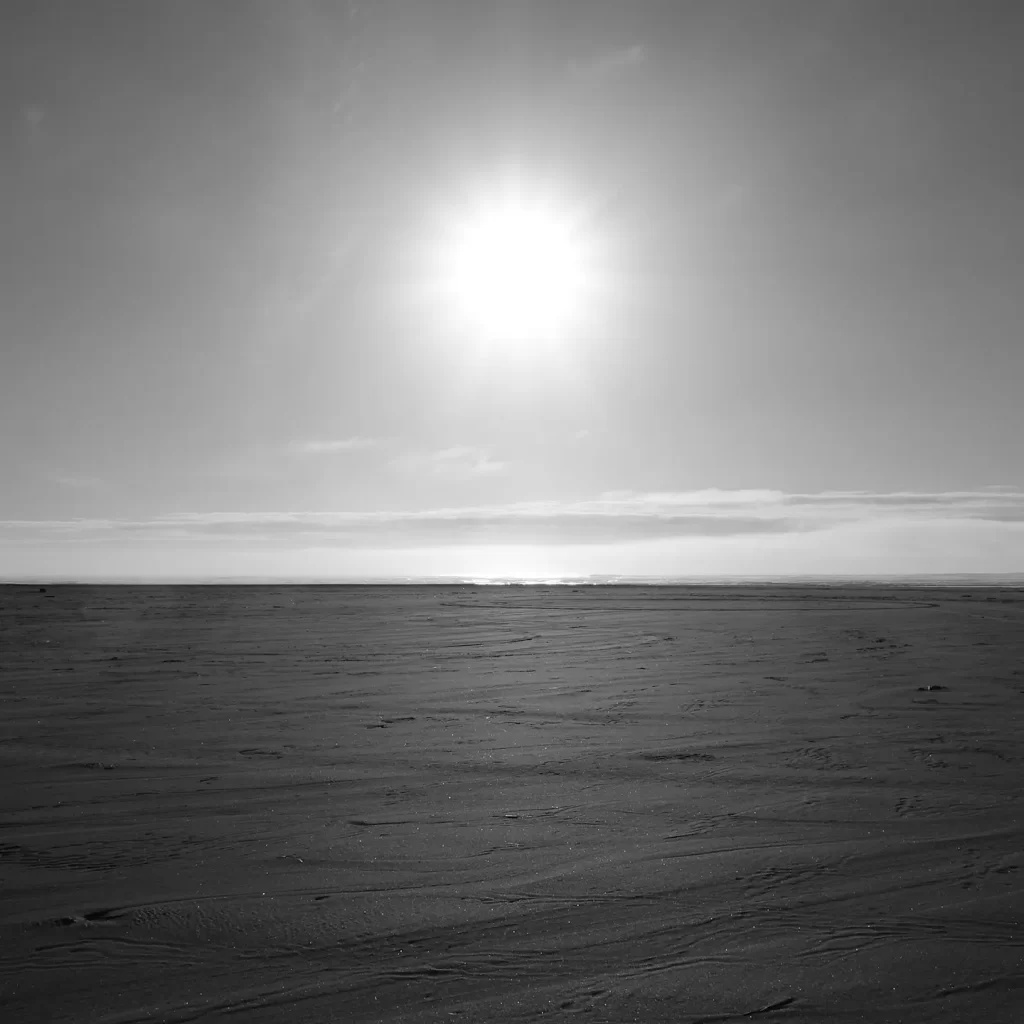
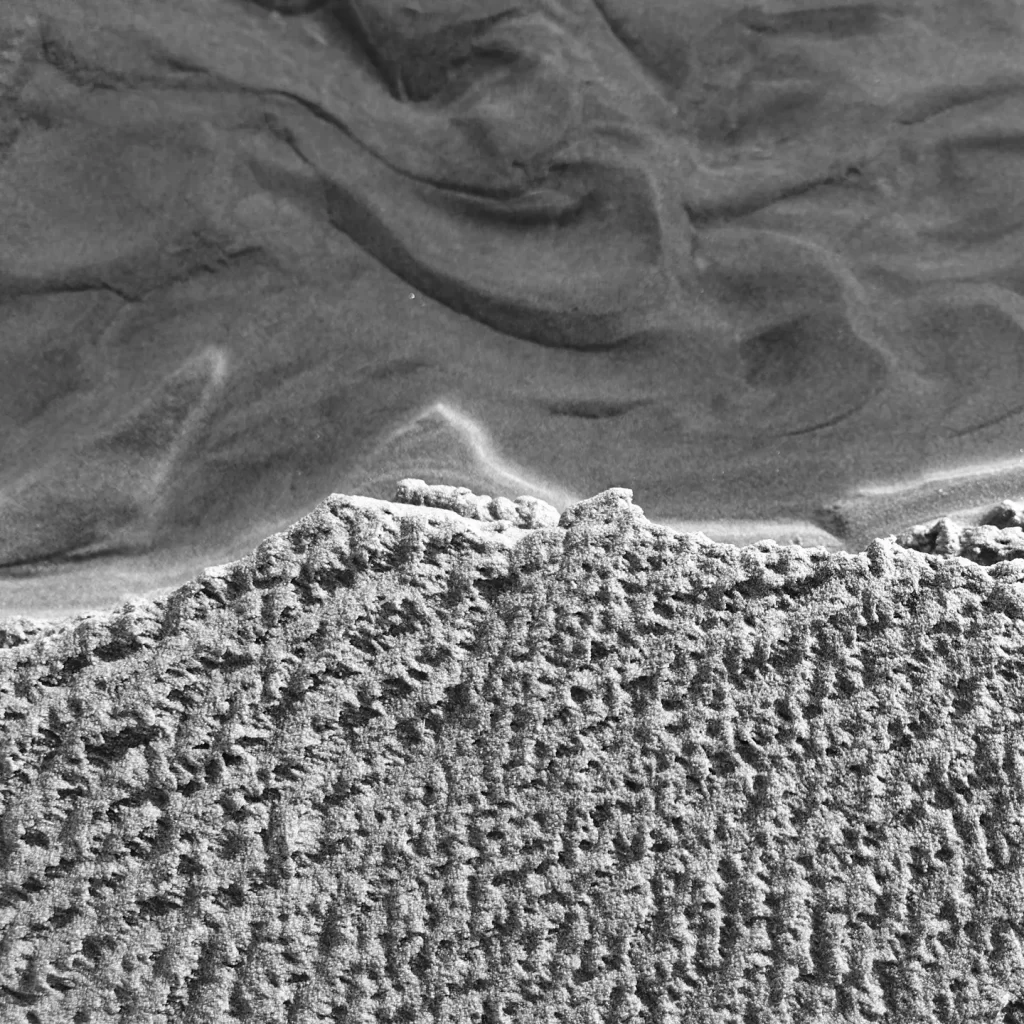
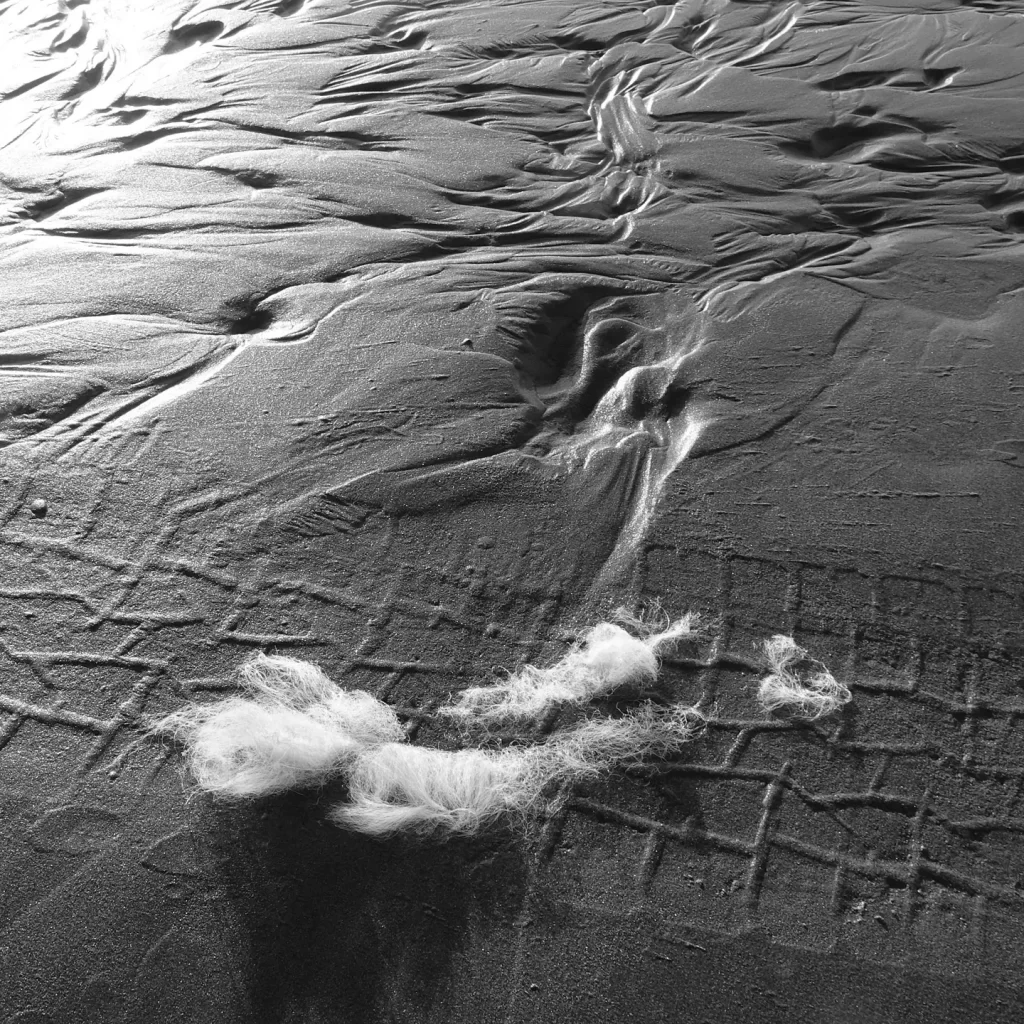
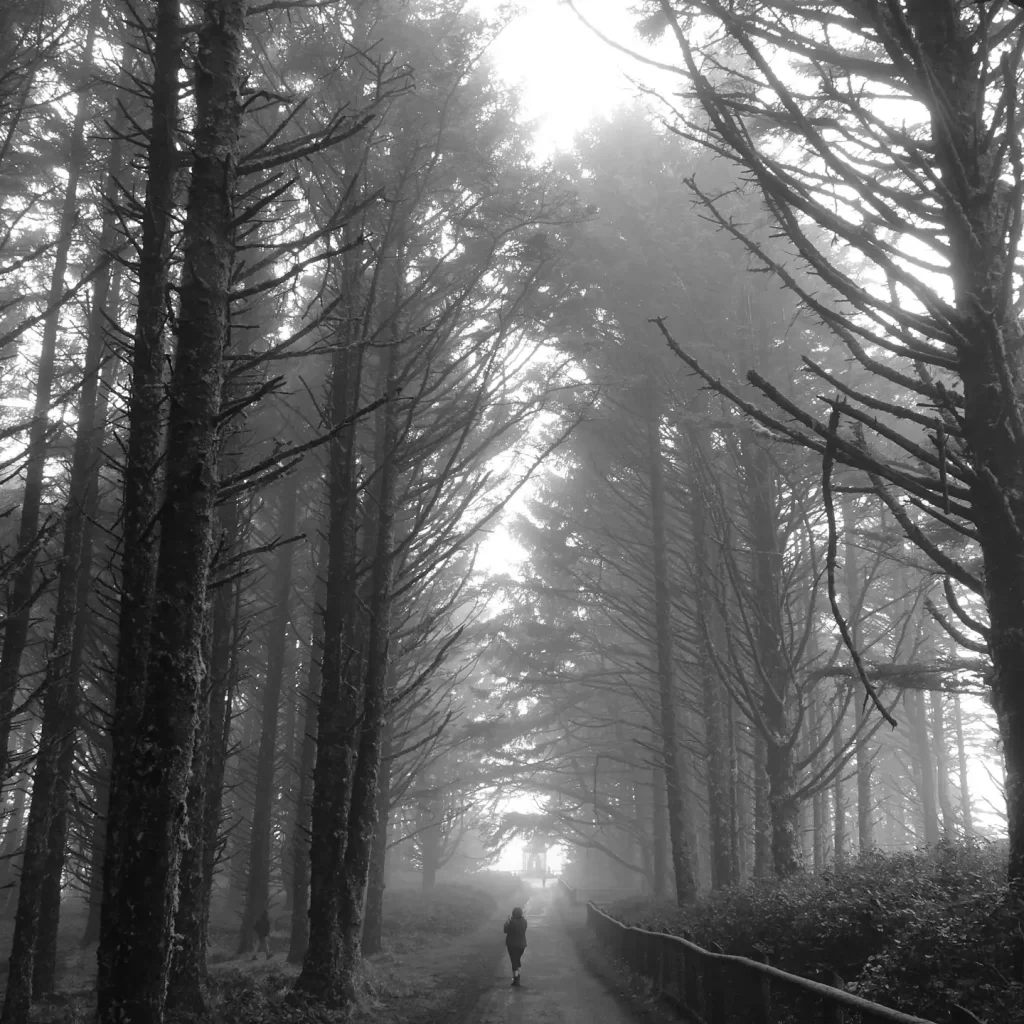
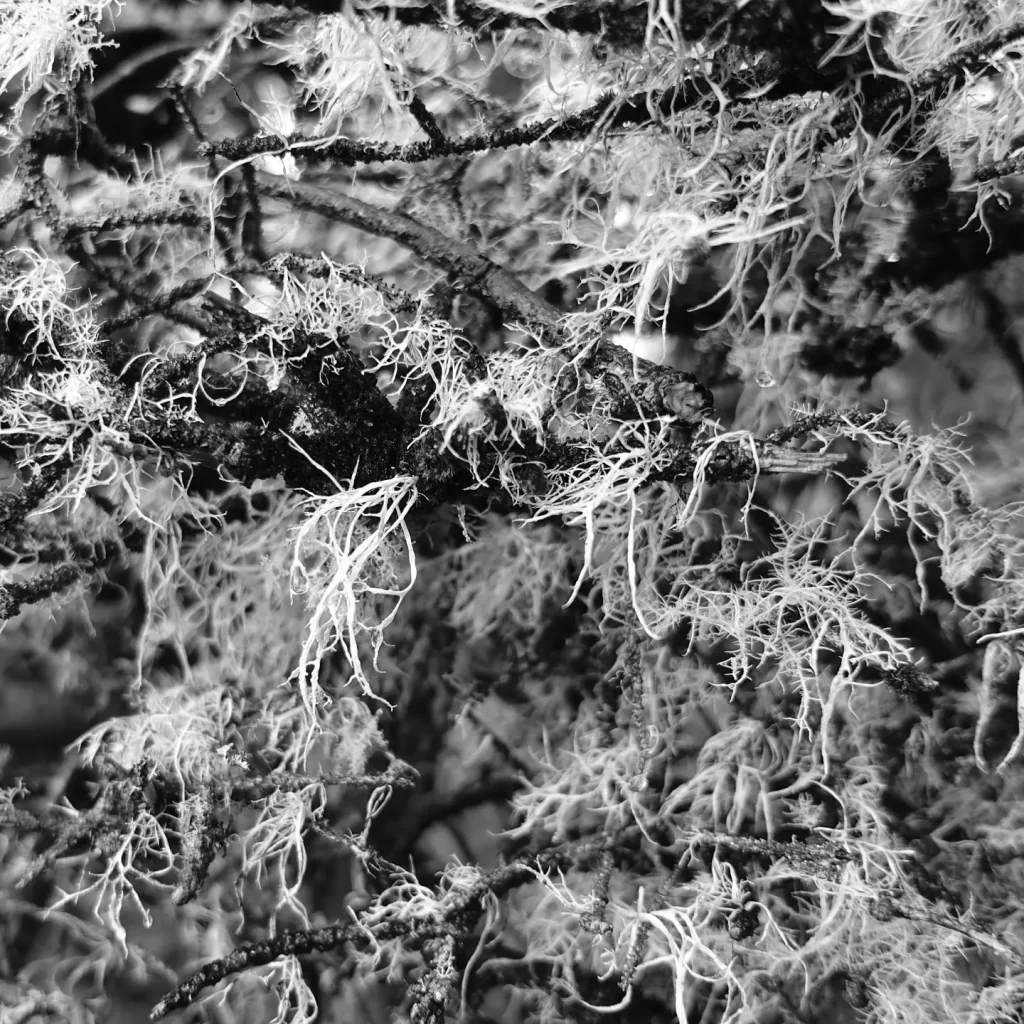
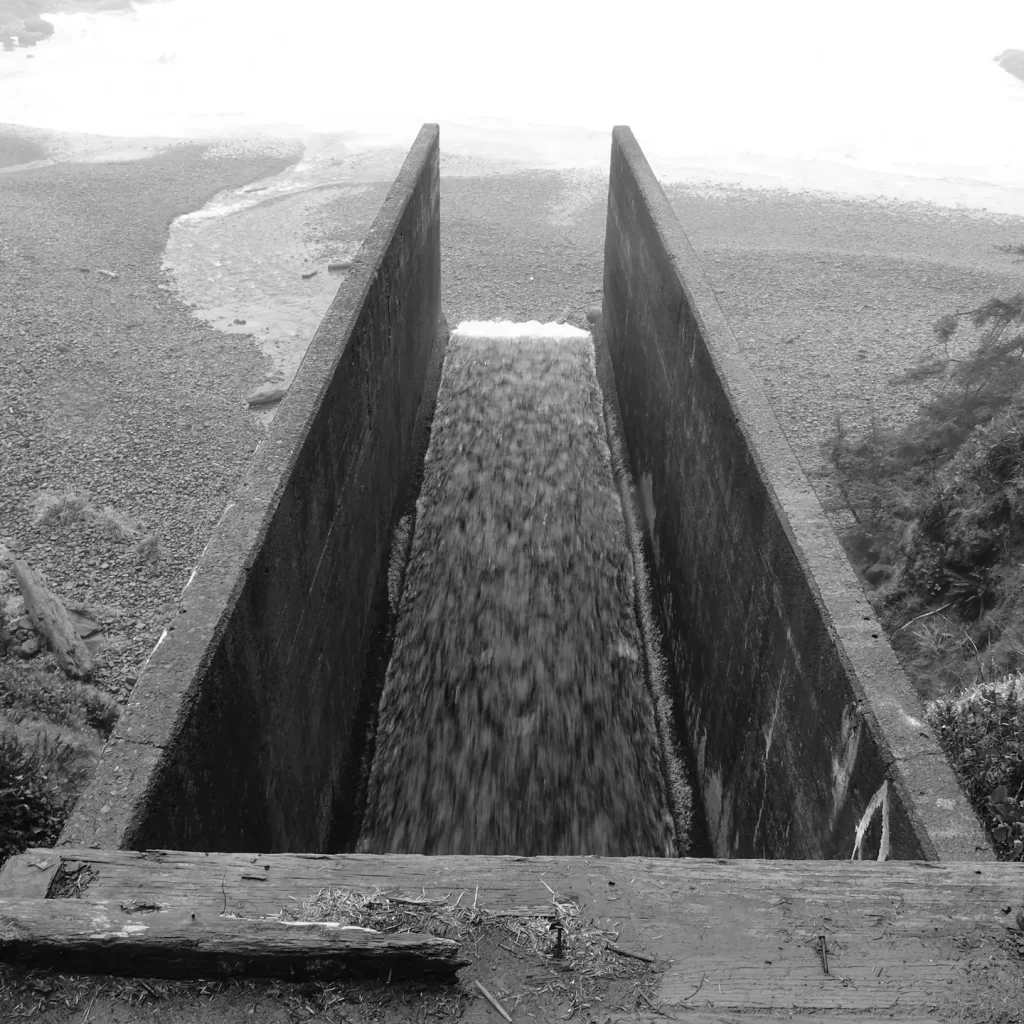
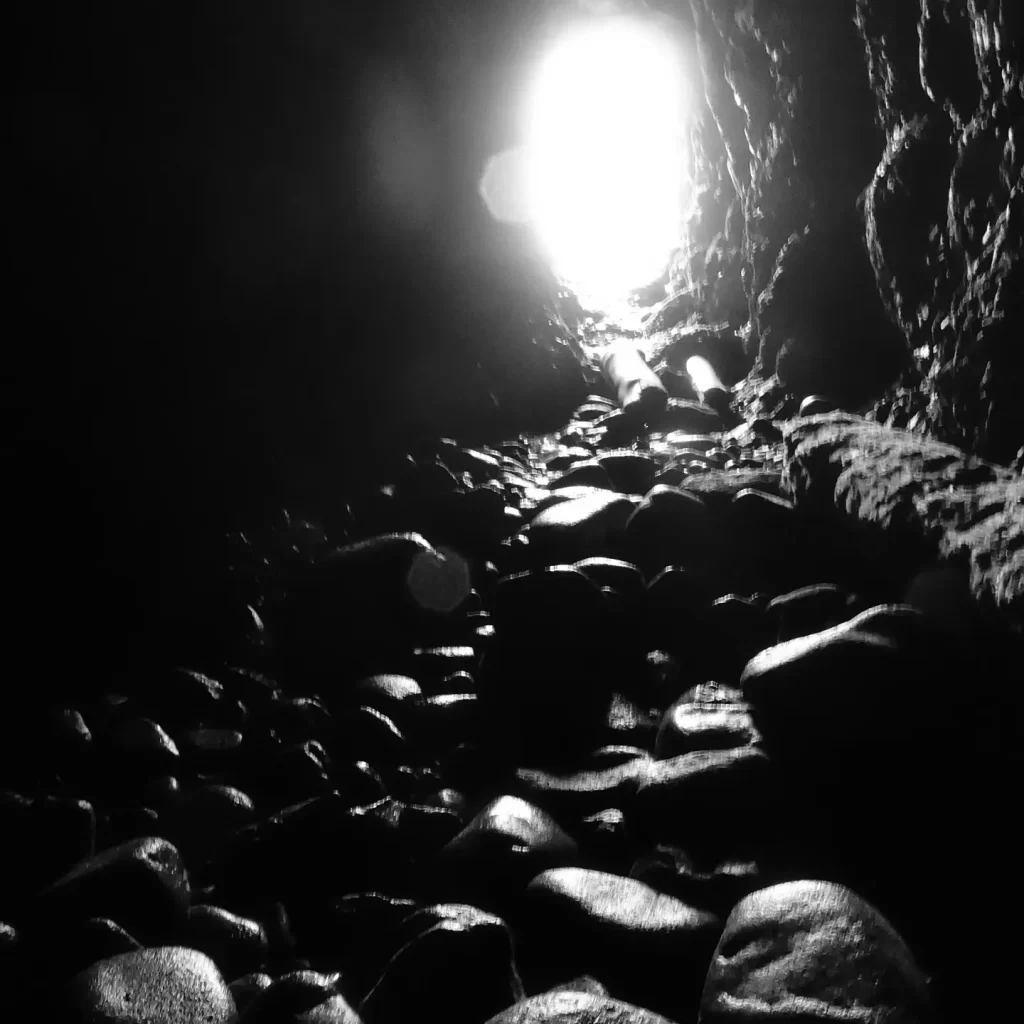
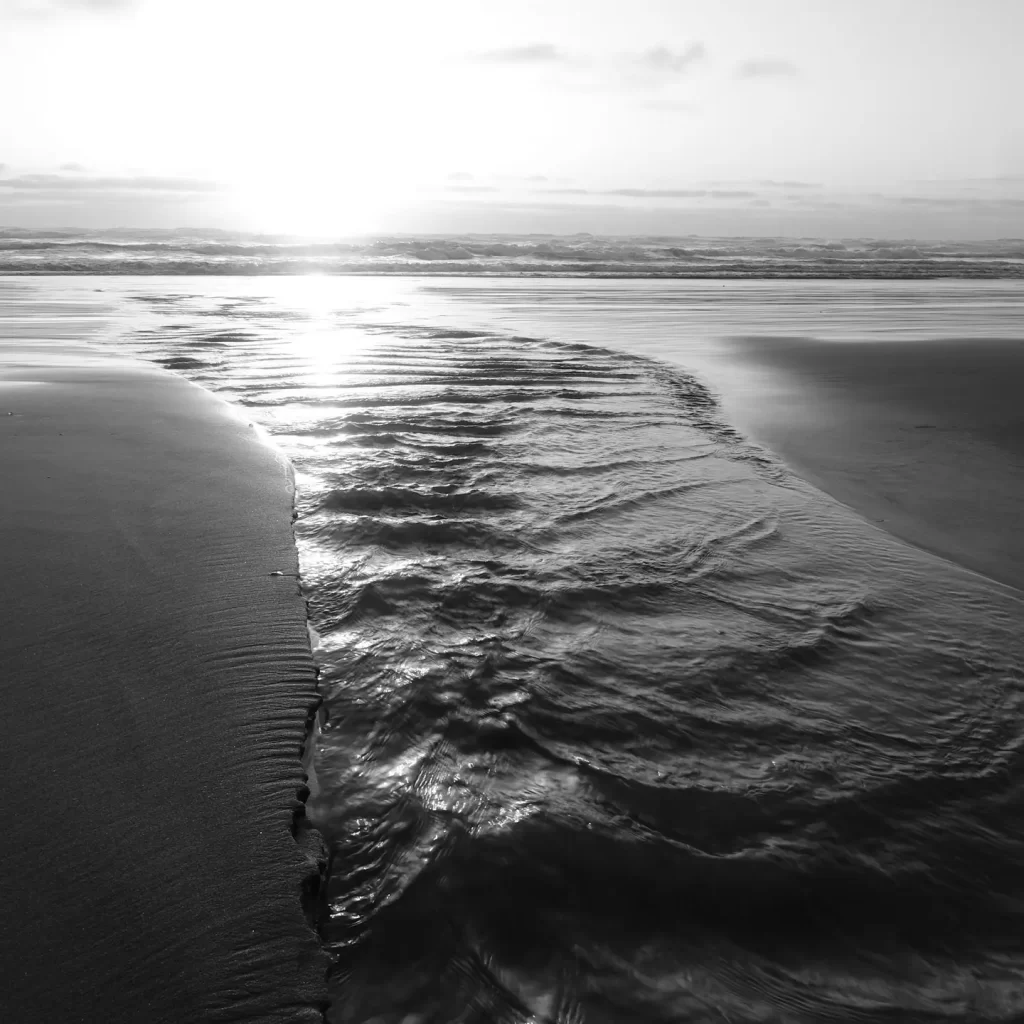
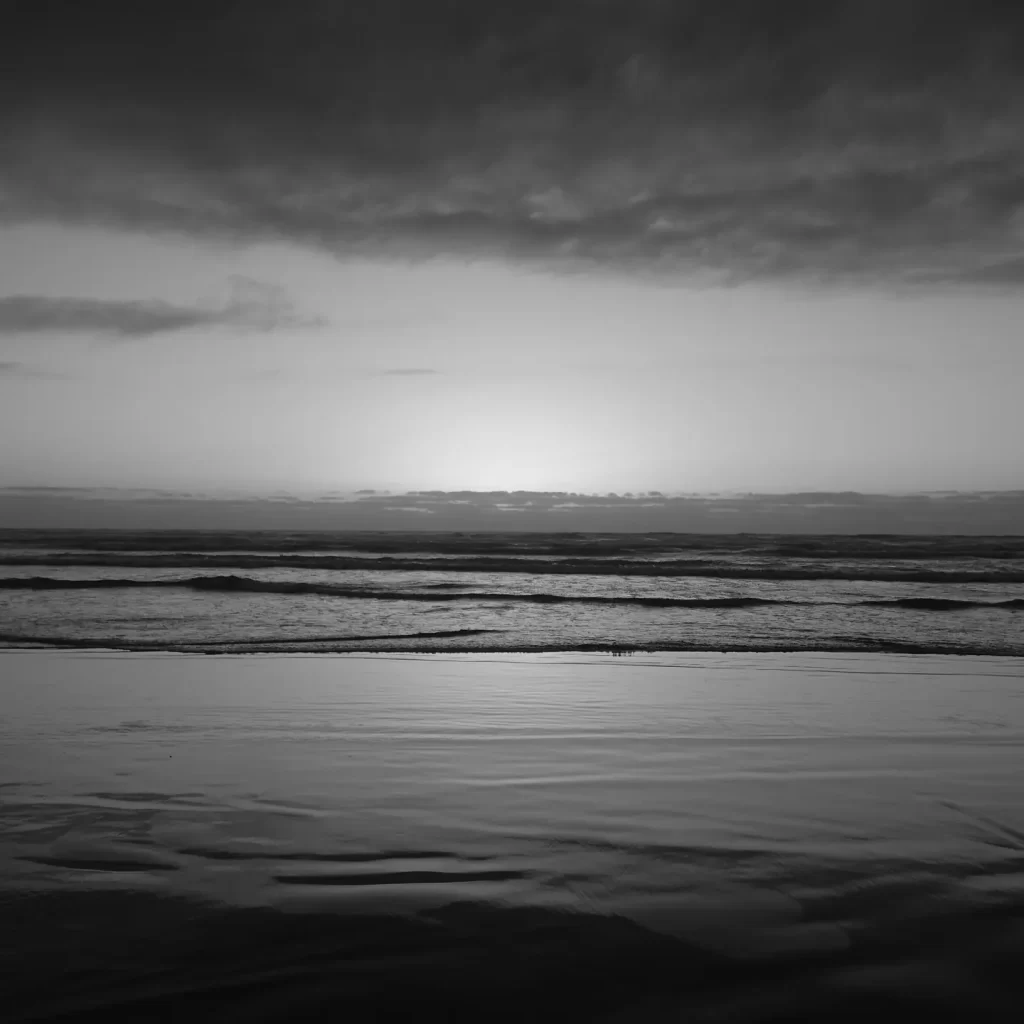
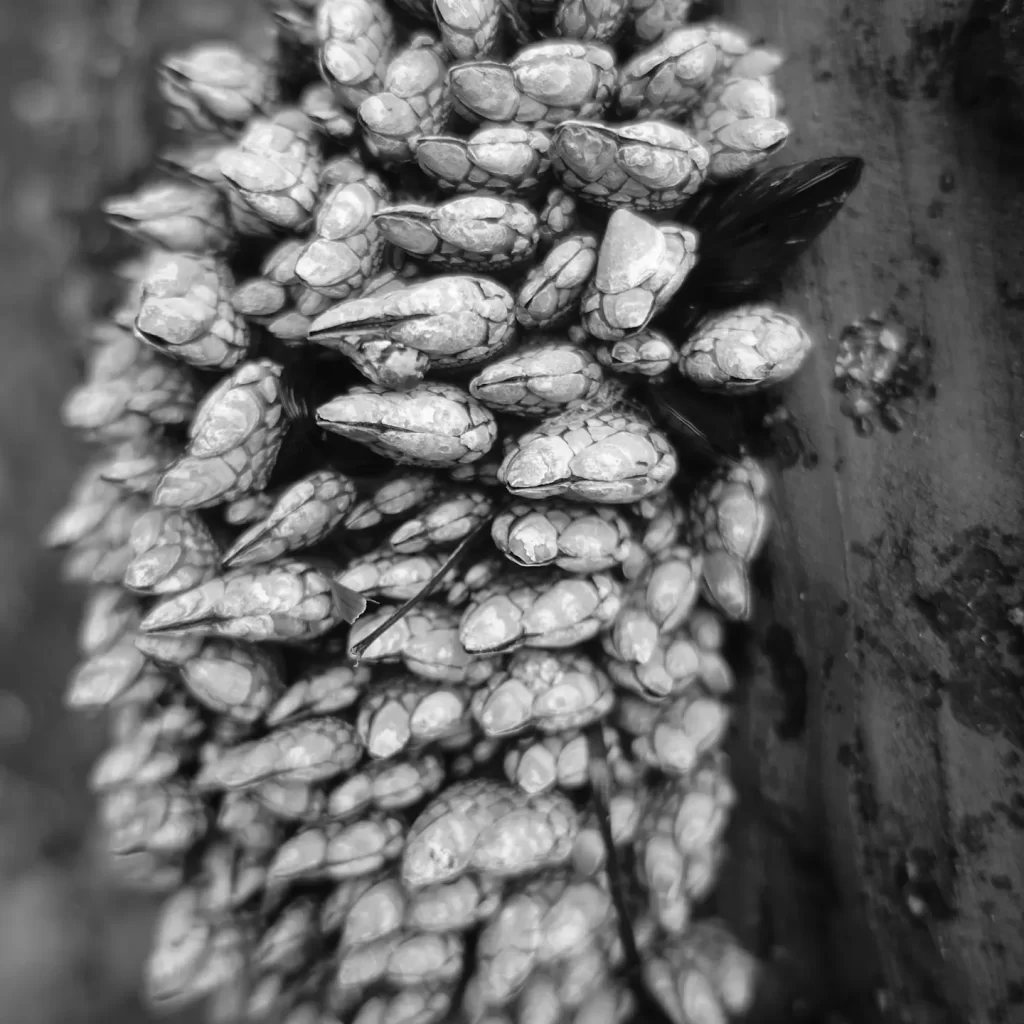
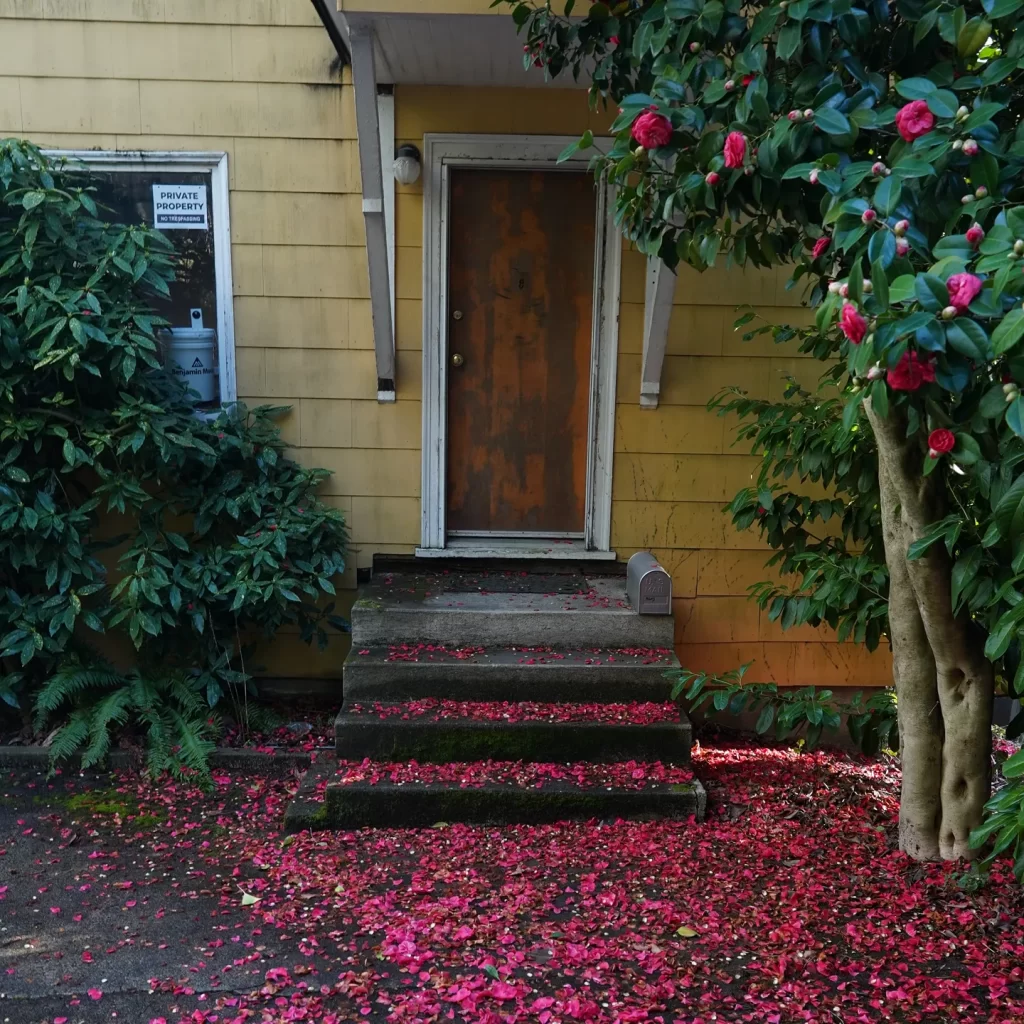
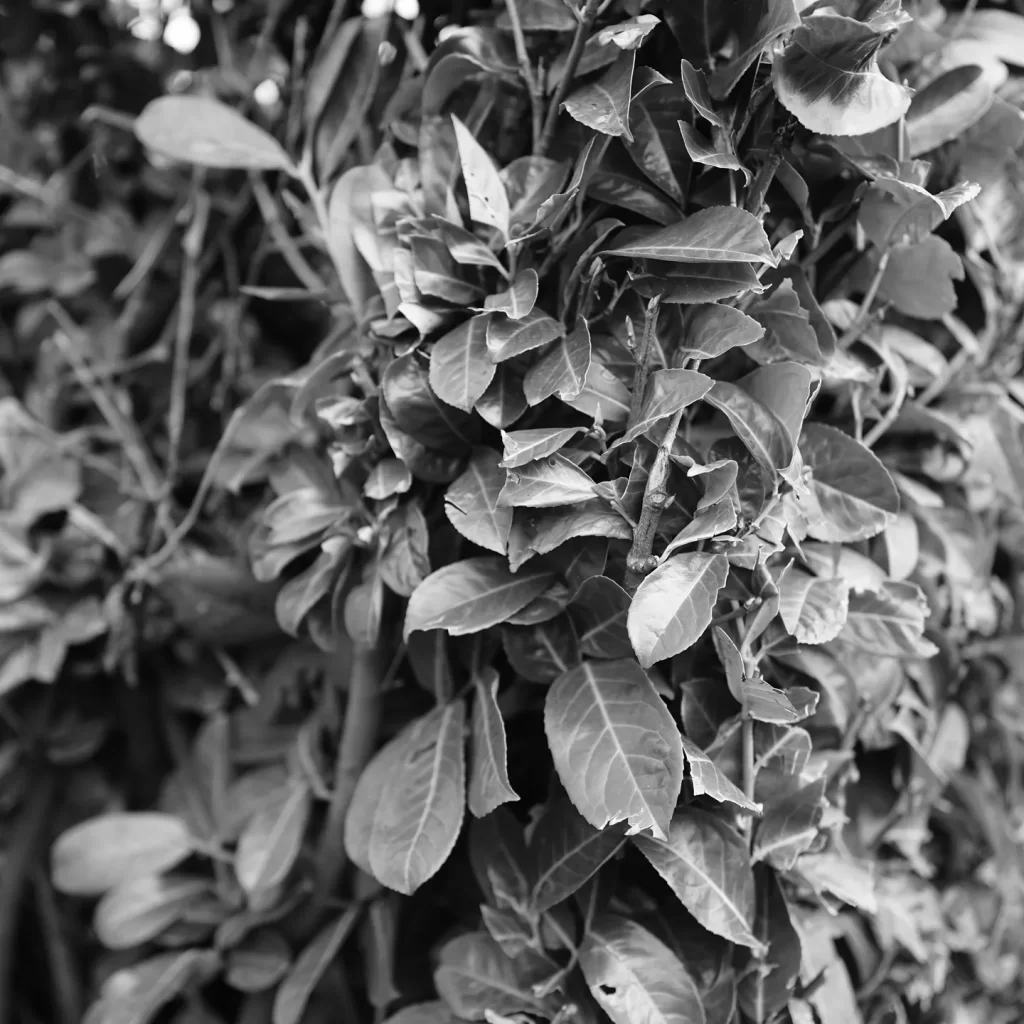
1,275 miles later, and here we are. Packing my old Sony point and shoot set to Black and White, I captured some of the surreal, and here are some of the sum.
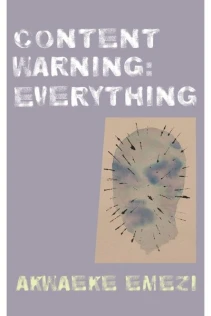
From Copper Canyon Press, Akwaeke Emezi’s poetry collection Content Warning: Everything is well worth your time. See why via my review at North of Oxford.
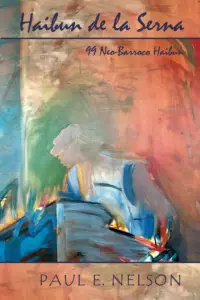
I am very pleased to announce my reading of Haibun de la Serna, the latest release from Paul E. Nelson and an incredible addition to his canon (one that, it is astounding to say, has been over a decade in the making).
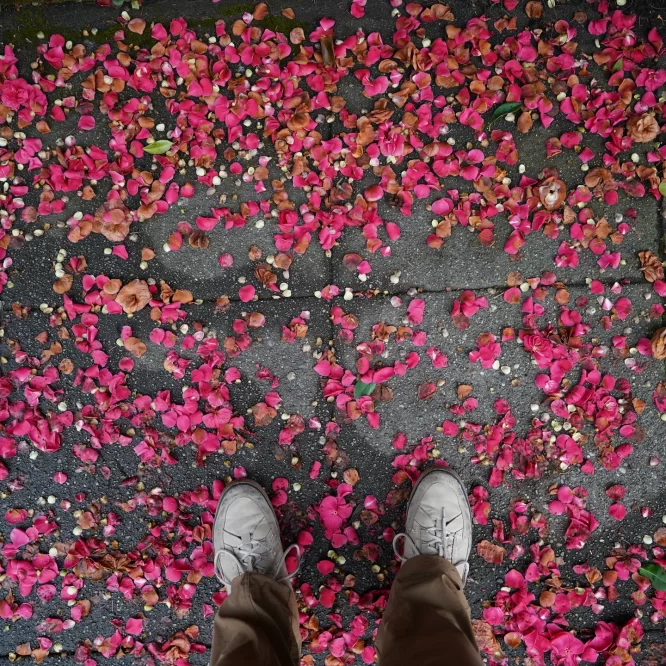
Another show, another covert audio recording.